Why some meat tastes gamey
Popular Science...
The term ‘gamey’ often feels infuriatingly imprecise. It is somehow both positive and pejorative, used in one breath to describe unconventional meats at high-end restaurants and in another to decry an unpalatable or off dish. People can’t seem to agree what types of meat qualify as gamey, or even how to define the flavor.
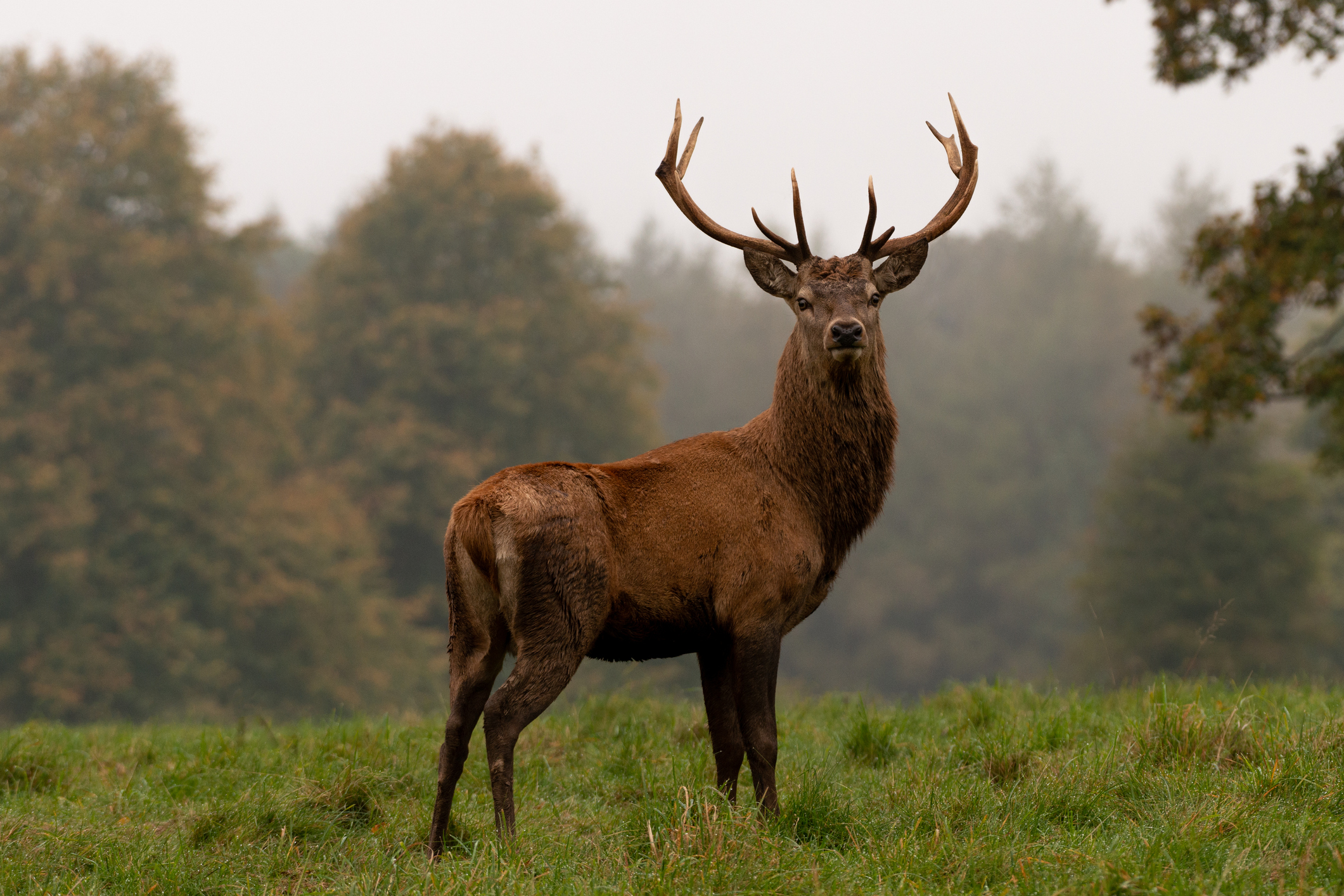
Gamey is a catchall term. Originally, it referred to the unique characteristics of wild, hunted animals, which are already extremely diverse. But it now describes meat that is especially tough, lean, grassy, earthy, nutty, sour, metallic, or generally pungent. At its broadest, it covers any texture or flavor that isn’t common in a food system, which for most Americans means anything other than the tender, factory-farmed beef, pork, and poultry.
“Gamey is not a single, well-defined sensory attribute,” Mohammed Gagaoua, a leading meat scientist at the French National Institute for Agriculture, Food, and Environment, tells Popular Science. “It is a consumer-driven term that reflects a multidimensional and dynamic evaluation.”
But across these subjective and shifting definitions, Gagaoua and other meat researchers say there are still a few consistent “gamey” characteristics. And understanding the conditions that give rise to these unique textures and flavors can help us avoid them—or learn to appreciate their complexity.
What does ‘gamey’ really mean?
“In relatively simple terms, gamey-ness is most related to the intensity of the red color of meat,” Chris Kerth, a professor of meat science at Texas A&M University, tells Popular Science.
The more an animal uses a part of its body, he explains, the more red muscle fiber it develops to supply it with blood and generate power. So the darker the hue, the more of a gamey, “somewhat metallic or bloody-serumy flavor,” you’re going to get in the meat.
What causes gaminess
Heavy muscle use also leads to lean and tough meat, which some may describe as gamey.
Human tongues can only detect a small set of sensations: salty, sour, bitter, sweet, umami, and maybe fats. Most flavors are a combination of those sensations and the smell of the chemical components in our foods, wafting up through the back of our throats. But characteristics like appearance and texture also affect the way we actually perceive and experience foods. So the toughness of a cut of meat can heighten our sense that something is different or off.
Farm animals bred for rapid muscle growth might develop a few bits of darker meat, like a chicken’s leg versus its massive, largely unused breast. But even a chicken’s leg muscle will be typically lighter than the deep red of a wild animal’s. The more a muscle is exerted, the more gamey (aka redder) it becomes.
However, even the reddest industrially farmed meat, like “bright cherry red” beef, won’t taste gamey to most people, Kerth adds, “not because of the color of the meat, but because of the mostly grain diet” we feed livestock.

How an animal’s diet affects taste
Grains like corn are an abundant source of calories, and they’re fairly fattening, so they lead to tender, marbled (meat streaked and flecked with juicy bits of fat), massive hunks of animal flesh. But as anyone who’s had unflavored porridge can attest, plain grain tends to be excruciatingly bland. That (lack of) flavor carries over into an animal’s meat.
“Wild animals, and farm animals allowed to forage without being fed grain, will produce meat that has a different fatty acid profile,” Kerth explains. Usually, wild animals’ varied diets create a healthy mix of unsaturated fats in their tissue. When cooked, Gagaoua adds, these fats break down to “produce flavors described as tallowy, grassy, or fishy”—the sort of flavors you might associate with pasture-grazed mutton or an old wild goose.
What’s more, aromatic compounds (the chemical building blocks of smells) in the foods animals eat often make it through digestion and into fat deposits. Those compounds impart subtle flavors to the animal’s meat, reflecting what it ate throughout its life. This is especially true for pigs, Kerth notes. Ruminants like cows and sheep, or wild moose and elk, have intricate stomachs that radically alter their food over the course of digestion.
But pigs, he explains, “have simple stomachs which generally digest their diets relatively intact.” So if you feed a pig fragrant wild green onions, for example, you’ll get a strong allium tang out of its pork.
Lots of factors affect meat flavor and gaminess
The meat scientists Popular Science spoke to for this article stressed that while activity and diet are the clearest variables in the gamey flavor equation, they’re hardly the only factors at play.
We know, for example, that the hormones coursing through a mature male mammal’s veins create “kind of musky notes” in their meat, explains Robert Ward, a food scientist at Utah State University. Most consumers don’t like those notes. That’s one of the reasons we castrate many feedlot animals, and favor breeds that reach a good slaughter weight while they’re still young.
Likewise, we know that both long-term stress and moments of acute fear right before an animal is killed can have a range of effects on meat tenderness and taste.
Flavors are delicate and complex. The unique biology of a species and breed, the food an animal ate and stresses it experienced throughout its life, the hormones in its blood at the time of death, even the way someone processed a carcass or cooked a slab of meat all contribute to flavor. For instance, if you take too long to butcher an animal, or fail to cool its meat well during storage, you might get a hint of sour spoilage. Age a cut of meat and you’ll likely get more tenderness out of it. Overcook a slab and it’ll usually go tough and stringy.
All these factors and more together create the “taste” of the meat on your plate. That’s one of the reasons it’s so hard to pin down a firm definition of gamey: There may be as many varieties of gamey as there are animals and dishes.
Is gamey meat bad? It comes down to preference.
Human taste is as diverse and malleable as the flavor of meat itself. Some cultures prize aspects of gamey-ness, such as the tang of stress in some South Korean communities, that others avoid. So background and expectation play a major role in what a person registers as gamey, and how they respond to the flavor.
Gagaoua has noticed, for example, that some consumers have started to view gamey-ness as a proxy for “ideas of untamed nature, wilderness, and ecological authenticity.” (In truth, you can find gamey flavors in both wild and farmed meat.) Others equate the term—more accurately, Gagaoua says—with the idea of a lean, low-cholesterol, nutrient-rich cut of meat.
Either way, these perceptions “may have a halo effect,” leading them to enjoy the perceived “real or pure” taste of gamey meat.
For those who have no interest in cultivating an appreciation for gamey flavors, it’s not hard to avoid them. Simply stick to light, grain-fed cuts. Take care not to overcook your meat, as that can bring out latent gamey notes.
And if you are for some reason confronted with a dark cut of meat, then you can try this simple trick:
“Soak the meat in cold ice water for about an hour before cooking,” Kerth recommends. “This allows some of the myoglobin to diffuse out of the meat.” Less myoglobin translates to fewer strong, metallic notes, and ultimately less of a gamey flavor.
But for the adventurous eater, gamey meats are an opportunity. They encourage us to think critically about how an animal was raised, slaughtered, and processed. They challenge us to develop new dishes that work with the meat’s unique characteristics. And perhaps above all else, they trade mild, factory-farmed flavors for a new horizon of possibilities.
In Ask Us Anything, Popular Science answers your most outlandish, mind-burning questions, from the everyday things you’ve always wondered to the bizarre things you never thought to ask. Have something you’ve always wanted to know? Ask us.
The post Why some meat tastes gamey appeared first on Popular Science.