Ciara says protecting your sexual health is a ‘1, 2 PrEP’ process
TheGrio...

Partnering with Gilead, Ciara is using her music to encourage education, protection, and broader conversations around PrEP & HIV prevention.
Ciara believes that there are three powerful things in this world: “music, money, medicine.” And recently she tapped into the healing power of music in her latest collaboration with Gilead.
“It’s been such a gift for me that this is my daytime job. I get to make music that can make the world dance, inspire the world, spread love, and evoke feelings and emotions of all kinds. Music is healing,” she exclusively told theGrio during SXSW. “The power of music, and being able to be creative and able to bring the world together in this case, and educate people on things that they may not know, that’s the beauty of moments and the power of music because it allows me to be able to raise the awareness of something so significant that can be life changing for people.”
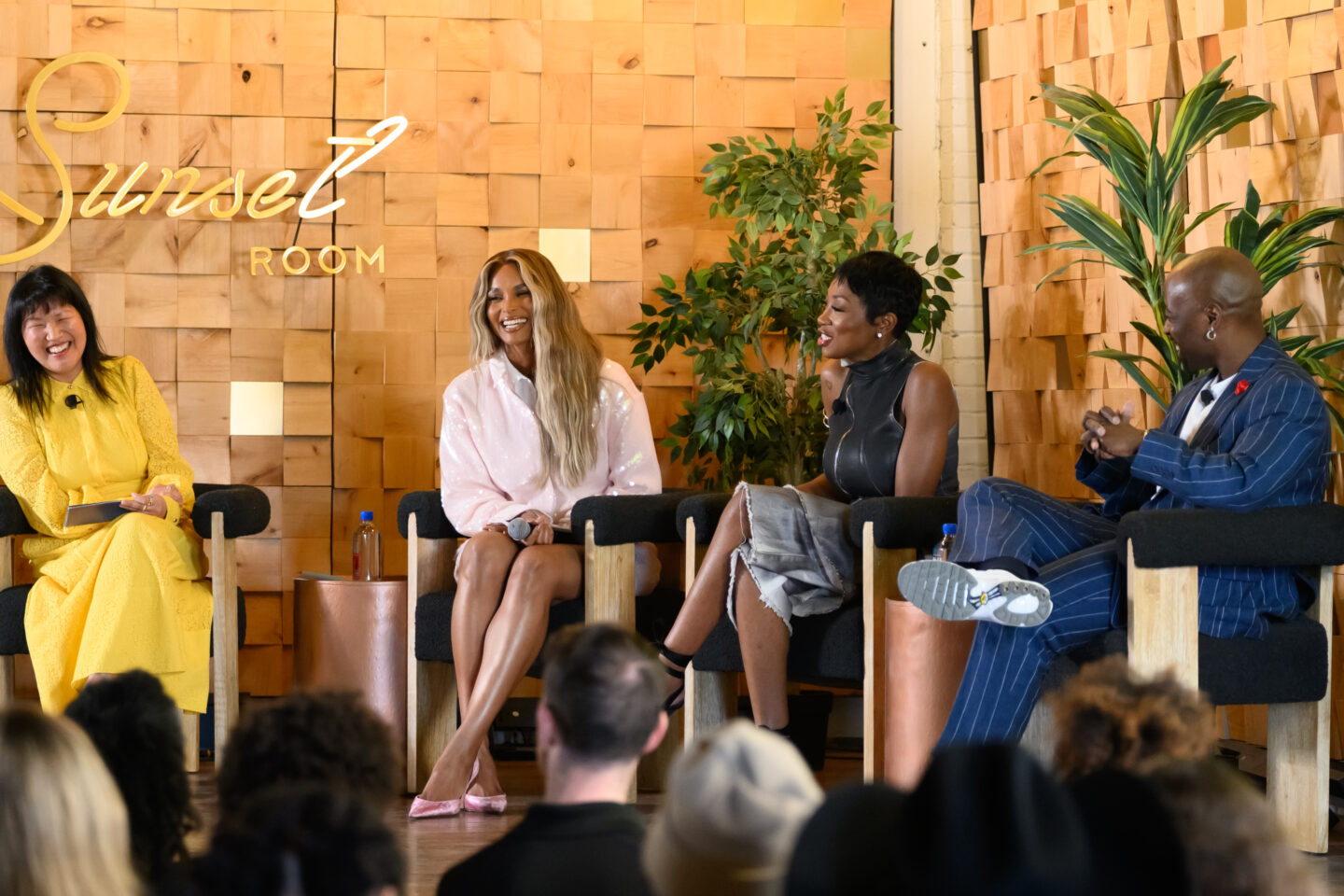
For the first time, the Grammy Award-winning artist has lent her voice to HIV prevention, reimagining her hit song “1,2, Step” to support the national “One2PrEP” campaign. The updated version of the 2004 classic is designed to raise awareness about Yeztugo, a first-of-its-kind, twice-a-year pre-exposure prophylaxis (PrEP) injection. During this year’s SXSW conference, the “Level Up” singer joined HIV advocate and recognized public health and internal medicine expert Dr. Leo Moore and media personality Loren Lorosa to discuss amplifying HIV prevention through pop culture and music on a panel presented by Gilead.
“I think it’s so important that we have this intersection of medicine, culture, and media, because it helps to reach a broader audience around prevention messages,” Dr. Moore told theGrio. “Since 2012, when PrEP was released, we now have so many more options, but there are a lot of people who just don’t know about PrEP and don’t know that it’s a great tool for them.”
Despite its effectiveness, PrEP remains widely underutilized. In 2024, AIDSVu reported that roughly 600,000 people in the U.S. were using some form of PrEP, while the CDC estimates that up to 2.2 million people could benefit from HIV preventative medication. The disparity is even more stark in Black communities, which account for 38% of HIV cases but only 14% of PrEP users.

Dr. Moore, who also serves on the United States Presidential Advisory Council on HIV/AIDS (PACHA), points to three key barriers driving these gaps: awareness, education, and access.
“PrEP is not solely for gay people. And the reason I want to touch on that is there are many heterosexual men and women who can benefit from prep that aren’t considering it because they think it’s solely for the LGBTQ plus community. So, ensuring that folks are aware that, you know, the CDC recommends that everyone, adults and adolescents who are HIV negative, consider prep,” he explained.
Unlike daily pill options, Yeztugo requires just two injections a year—offering a more convenient alternative for those who struggle with daily medication routines or simply prefer fewer doses. As Ciara put it, “It’s a 1, 2 PrEP process.”
Still, both Ciara and Dr. Moore emphasize that the conversation goes beyond any single medication. At its core, the mission is about reframing how people think about sexual health.
“I would love for folks to think about sexual health as a part of their overall health and wellness. That it is not separate from your blood pressure checks, your glucose checks, your blood sugar checks, etc. Think about this as one component of that overall health and wellness journey,” Moore explained.
“We have to continue to get into the space of thinking healthcare is cool. Taking care of your health is one of the coolest things that you can do,” Ciara concluded, stressing the importance of education. “I want for my people, and beyond to understand that there are ways to protect yourselves when you’re out there and you’re curious and you’re dating and you’re, you know, once to take things to new levels physically, you need to know that there are ways to protect yourself on that journey…, let’s have conversations. let’s take away the stigmas or the funkiness of these types of conversations.”