Parasitic sleeping sickness creates ‘invisibility cloak’ to hide in humans for years
Popular Science...
The notorious disease known as sleeping sickness can lurk inside a host for months or even years before serious symptoms arrive. When these tiny parasites do, it’s often a death sentence for its human host. After confounding epidemiologists for decades, researchers now know exactly how sleeping sickness can remain undetected for so long. Its secret weapon is a constantly adapting “invisibility cloak” crafted from special proteins. The evidence is laid out in a study published on March 30 in the journal Nature Microbiology.
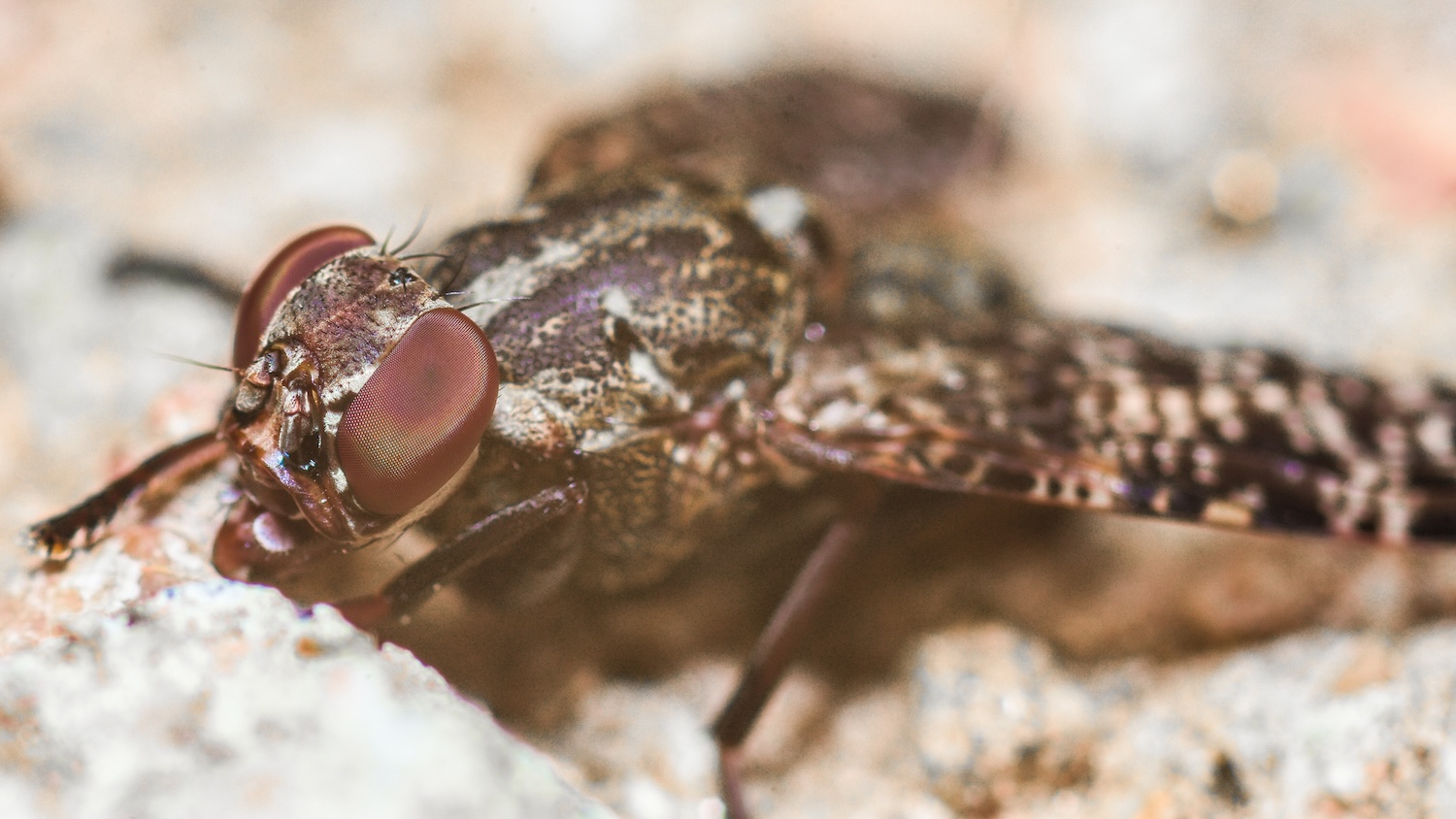
Trypanosomiasis, better known as sleeping sickness, starts with a tiny bloodsucking bug called the tsetse fly that causes a huge problem. Like the mosquito, the tsetse fly is a vector for multiple dangerous diseases. However, the tsetse fly is particularly notorious for its role in spreading sleeping sickness in humans via the parasite Typanosoma brucei gambiense (T. brucei). Roughly 70 million people across 36 countries are still at risk of contracting sleeping sickness, and a total eradication remains elusive.

Cases of sleeping sickness are steadily declining, but they remain frequently fatal. Initial symptoms appear relatively innocuous, with a patient developing a fever, joint pain, headaches, and itchiness between one and three weeks after an insect bite. But the problems intensify from there. The second stage of sleeping sickness may arrive weeks, months, or even later, but its effects on the nervous system invariably include neurological complications like confusion, numbness, poor coordination, irregular sleep disruptions, and coma. What’s more, it’s often already too late for effective treatment once the most severe symptoms arrive. At that point, there isn’t much to do for a patient.
But how and why does it take so long to learn when someone has sleeping sickness? Newly discovered ESB2 proteins may be the reason why. These collectively create a barrier structure called a variant surface glycoprotein (VSG). At the same time, the parasite is also precisely editing its genes to hide inside its host.
“We’ve discovered that the parasite’s secret to staying invisible isn’t just what it prints, but what it chooses to redact,” explained University of York biologist and study co-author Joana Faria. “By placing a ‘molecular shredder’ directly inside its ‘protein factory,’ the parasite can edit its genetic manual in real-time.”
The explanation answers a question that’s stumped microbiologists and epidemiologists for nearly 40 years. In addition to the protein cloak, T. brucei is producing “helper genes” that ensure its survival by hiding it from the immune system. Researchers noted that although the genetic instructions should result in equal quantities of each gene type, the parasite knows to make many more VSG proteins than the helpers.
That’s where ESB2 comes into play. Faria’s team successfully identified the protein inside a region of the parasite known as the Expression Site Body. As new genetic material is manufactured, ESB2 immediately takes a cellular scalpel to the helper sections while sparing the cloaking mechanisms. Basically, it’s retracting telltale phrases in a manifesto that would otherwise trace back to the author.
“When we first saw the molecular shredder localized in the microscope, we knew we had found something special,” recalled biologist and study co-author Lianne Lansink.
The implications also extend beyond sleeping sickness. According to Faria, the breakthrough “suggests a fundamental shift” in how infectious diseases are approached. In some cases, an organism’s survival may rely less on how it creates genetic instructions, and more on which ones they eliminate in the moment.
Despite its classification as a neglected tropical disease, sleeping sickness cases have steadily declined in recent decades thanks to public health efforts. With the discovery of ESB2, researchers are one step closer to wiping out sleeping sickness.
“The mystery of how this parasite manages the asymmetric expression of its genetic manual has been a cold case in the back of my mind since my days as a postdoc,” said Faria. “It’s a testament to what a fresh lab and a diverse group of scientists can achieve when they look at an old problem from a completely new angle.”
The post Parasitic sleeping sickness creates ‘invisibility cloak’ to hide in humans for years appeared first on Popular Science.