The target is shifting: New data reveals Black immigrants bear the brunt of aggressive new ‘street arrest’ tactics
TheGrio...

A new report from the Deportation Data Project shows an 11-fold increase in neighborhood arrests and a staggering rise in the detention of those with no criminal records.
As the second Trump administration marks its first full year in power, a sobering new report from the Deportation Data Project confirms what many in Black immigrant communities have long feared: the safety of “everyday life” is under siege.
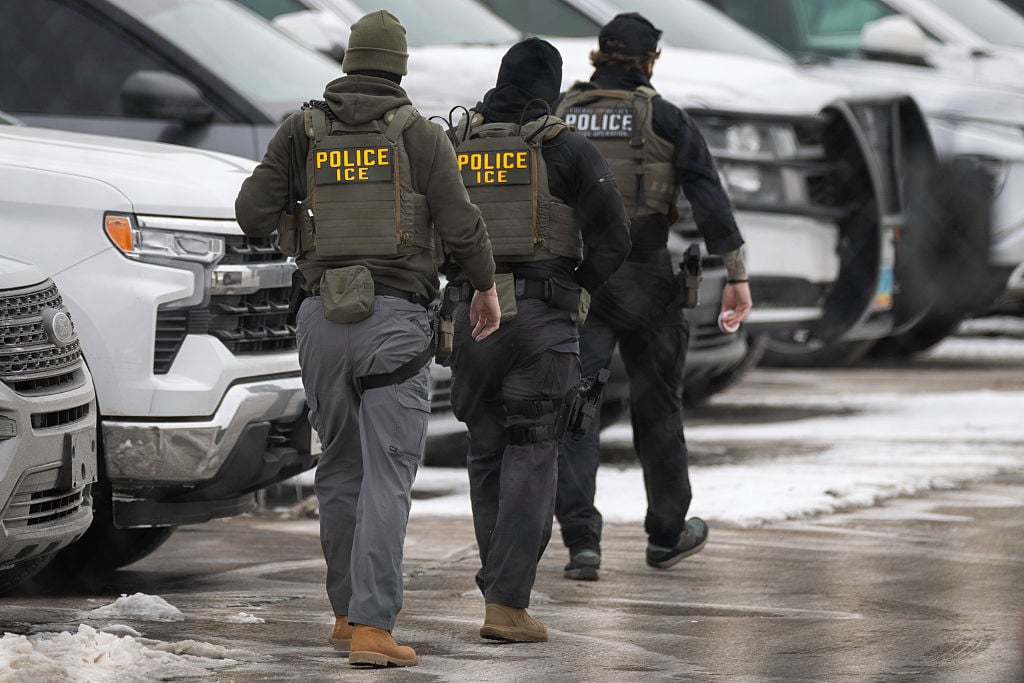
The report, titled “One Year of Immigration Enforcement,” reveals a staggering 1,100 percent increase in “street arrests,” an aggressive tactic where federal agents apprehend individuals in their own neighborhoods, at courthouses, or during routine check-ins at ICE field offices. For Black undocumented migrants, who already face systemic disparities in policing, this shift marks a dangerous new era of enforcement that prioritizes volume over public safety.
The end of prioritization
For years, immigration enforcement largely focused on individuals with serious criminal convictions. That era is over. According to the data, ICE arrests of people with no criminal convictions have skyrocketed by more than 800%.
This “arrest anyone, anywhere” approach has directly fueled the record-high detention numbers currently seen across the country. Total detention capacity has more than quadrupled, but for those caught in the system, the chance of being released to fight their case from home has vanished. The release rate for detainees without criminal records has plummeted from 35% to a mere 7%.
Black immigrants in the crosshairs
While the national headlines often focus on the Southern border, the data reveals that the real surge is happening in the interior of the U.S., where Black immigrant populations are most concentrated. Recent trending data suggests that, despite making up a small fraction of the undocumented population, Black migrants are being deported at four times the rate their numbers would suggest.
Even more alarming is the environment inside these rapidly expanding detention centers. Reports indicate that Black detainees account for nearly 30% of all abuse allegations within ICE custody, despite making up only 6% of the detained population. From medical neglect to physical altercations, the deteriorating and inhumane conditions cited by advocates are falling disproportionately on Black shoulders.
A community in mourning and fear
The human cost of this aggressive policing reached a breaking point earlier this year in Minneapolis. The community is still reeling from the fatal shootings of Renée Good and Alex Pretti, two U.S. citizens who were killed by federal agents during immigration enforcement actions in January.
While the administration attempted to frame these killings as domestic terrorism threats, witness video and autopsies told a different story—one of peaceful citizens caught in the crossfire of a culture of impunity among federal agents.
What this means for you
For those in cities like Houston, Miami, and New York, advocates warn that the risk profile has changed. The quadrupling of ICE agents on the streets means that routine activities—like dropping children off at school or attending a court date—now carry unprecedented risks for the undocumented and those who support them.
As the administration pressures more countries in Africa and the Caribbean to sign third-country removal agreements, the safety net for Black migrants is thinning.