Egyptian mummy discovered stuffed with excerpt from ‘The Iliad’
Popular Science...
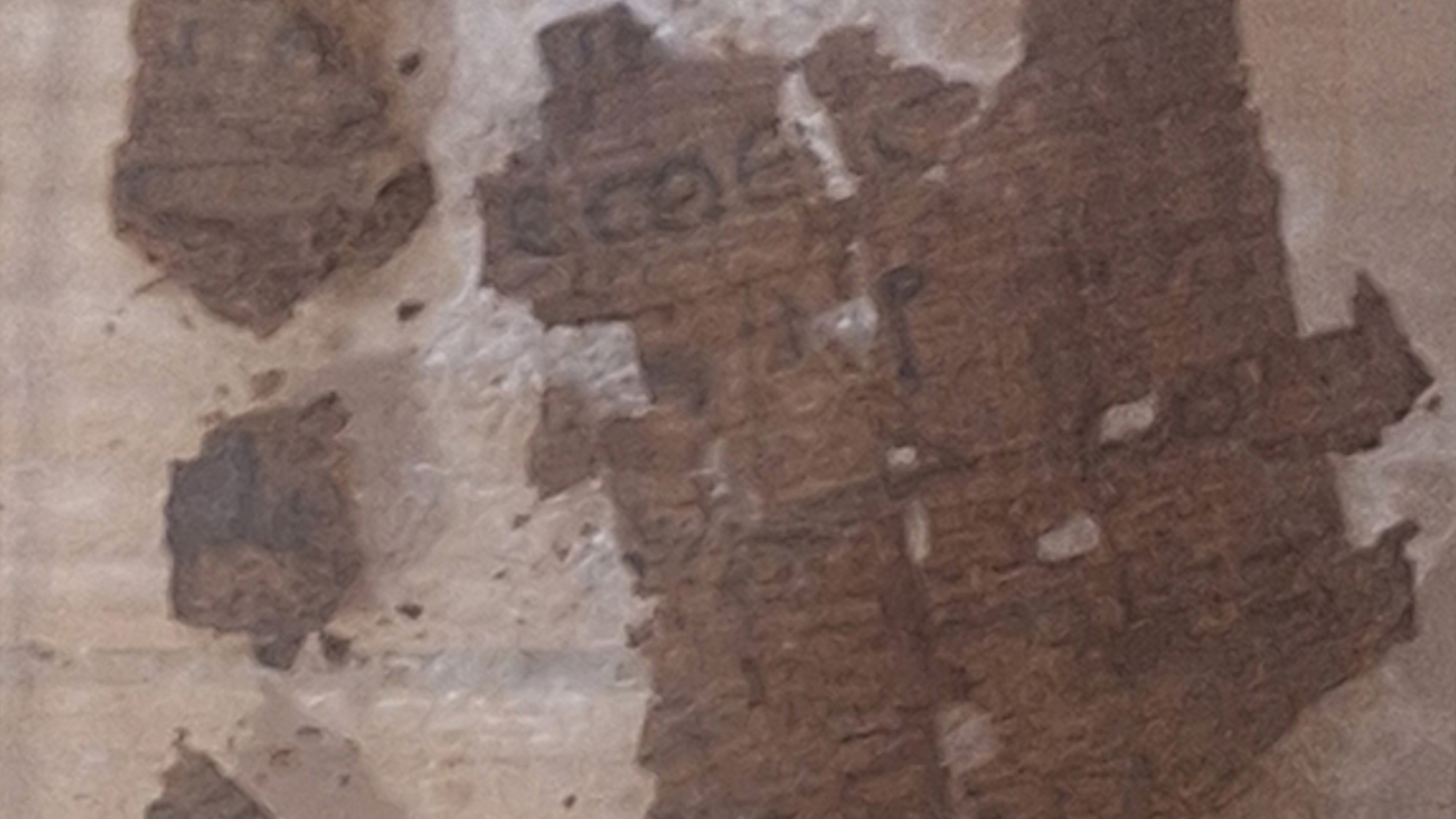
Egyptian mummies were frequently embalmed using repurposed bits of papyrus with religious texts and other spiritual passages written on it. Amid the ruins of an ancient city roughly 120 miles south of Cairo, archaeologists have identified the first Greco-Roman papyrus fragment used in burial rites. It’s no obscure piece of writing, either. According to researchers at the University of Barcelona, a 1,600-year-old mummy includes a passage from Homer’s famous epic, The Iliad.
The mummy was found at Oxyrhynchus, a town on the banks of a Nile River branch called Bahr Yussef. By 400 CE, the vital urban locale was heavily influenced by Greco-Roman culture—a fact documented in over two centuries of archaeological excavations.
“Since the late 19th century, a huge number of papyri have been discovered at Oxyrhynchus, including Greek literary texts of great importance,” Ignasi-Xavier Adiego, a University of Barcelona philologist and Oxyrhynchus project director, said in a statement.
This isn’t the first time researchers noted Greek papyri incorporated in a mummification process at the site. However, previous examples were “mainly magical,” according to Adiego.
The team’s recent discovery rewrites this narrative, so to speak. Excavation work inside a funerary complex of three limestone chambers yielded mummies from Oxyrhynchus’ Roman era housed in wooden sarcophagi. Although many of them were badly damaged due to looting, at least one remained in decent enough condition for a detailed examination.
While studying the remains, papyrologist Leah Mascia noticed an unexpected section of parchment placed inside the mummy’s chest. Instead of magical texts, the fragment showcased a catalog of Greek ships. These weren’t a random naval assortment, either. The list is identical to the vessels mentioned in Book II of The Iliad that sailed for Troy.
By 400 CE, mummification techniques featured a blend of Egyptian, Greek, and Roman influences. Priests would first dehydrate a body for 40 days by packing them in natron salt and wrapping them in linens. Instead of removing internal organs and storing them in canopic jars, specialists packed the abdomen and chest cavity with clay-encased papyrus fragments and other preserved material.
While multiple copies of Homer’s cornerstone literary epic likely existed in Oxyrynchus at the time, it’s unlikely that many others—if any—were eventually recycled during mummification processes. While the excerpt from The Iliad is unmistakable, the reason for its inclusion remains a mystery for now.
“The real novelty is finding a literary papyrus in a funerary context,” said Adiego.
The post Egyptian mummy discovered stuffed with excerpt from ‘The Iliad’ appeared first on Popular Science.