Johnson’s Cindy Evans Prepares Artemis Teams for Lunar Science
NASA...
Johnson’s Cindy Evans Prepares Artemis Teams for Lunar Science
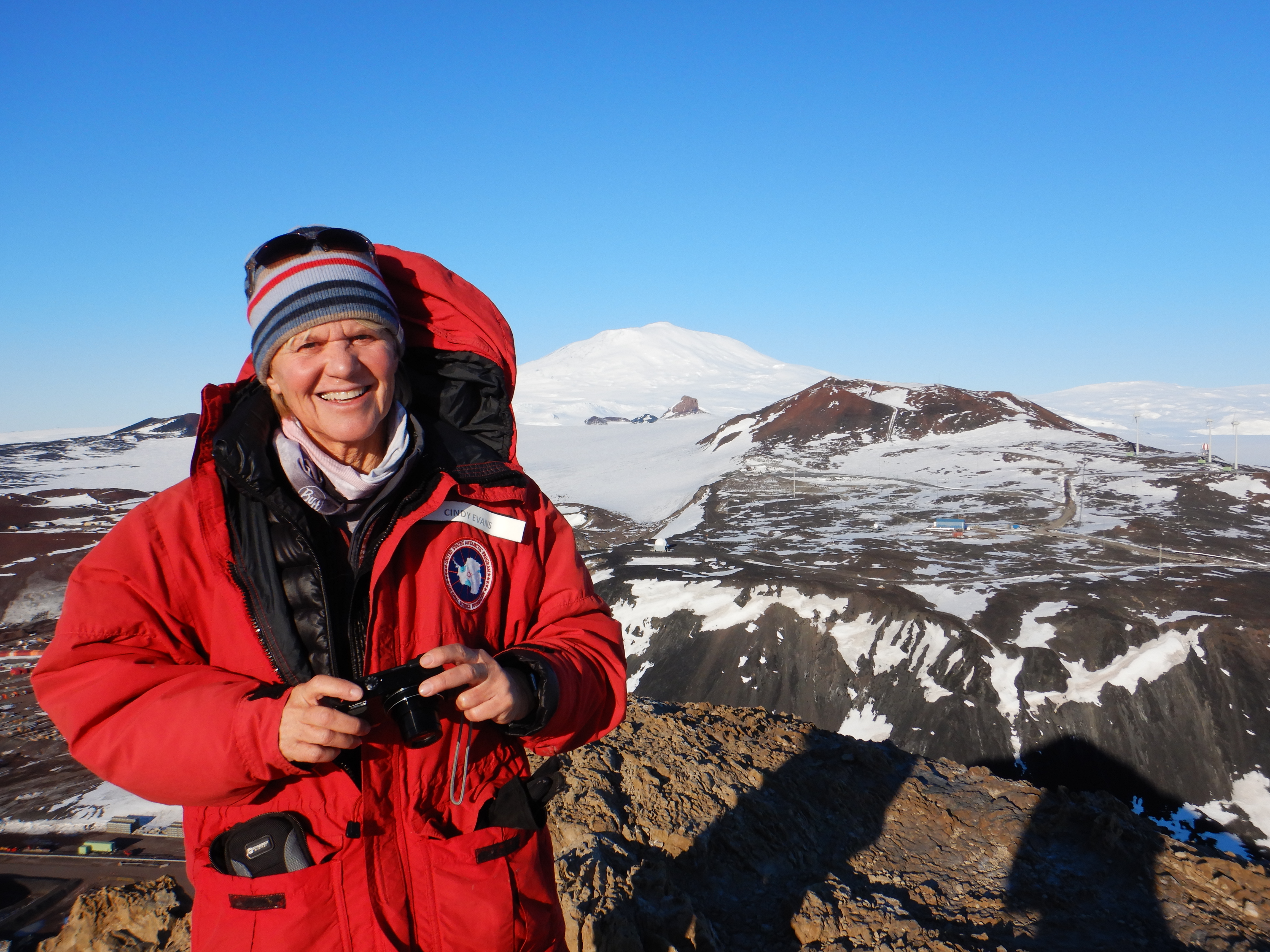
Cindy Evans
NASA’s Artemis II crew had many technical and operational responsibilities during their historic mission to the Moon, but they also served an important role as scientific ambassadors to Earth’s nearest neighbor.
On their 10-day journey, the crew flew by the far side of the Moon, analyzing and photographing geologic features such as impact craters and ancient lava flows. Their observations will help pave the way for science activities on future Artemis missions to the Moon’s surface and contribute to lunar and planetary science. The crew relied on the extensive geology training they received on Earth to describe nuances in shapes, textures, and colors — the type of information that reveals the geologic history of an area.

Cindy Evans, Artemis exploration scientist and geology training lead, was one of the crew’s instructors. Based at NASA’s Johnson Space Center in Houston in the Astromaterials Research and Exploration Science (ARES) Division, Evans is part of the Artemis Internal Science Team and spearheads geology training for crew members, mission managers, engineers, and flight controllers. That effort centers around a core curriculum of geology, lunar, and planetary classroom science as well as a progression of geology-focused field classes.
“As the scientists ‘on the ground,’ Artemis crew members require geology and field skills so that they can execute the mission science requirements from lunar orbit and on the surface of the Moon,” Evans explained. “Whether they’re looking out the spacecraft’s windows or walking the surface, Artemis astronauts are working on behalf of all scientists to collect clues to the ancient geologic processes that shaped the Moon and our solar system. They need to have the muscle memory and confidence in their geology knowledge to conduct the geology observations, sampling, and other scientific tasks.”
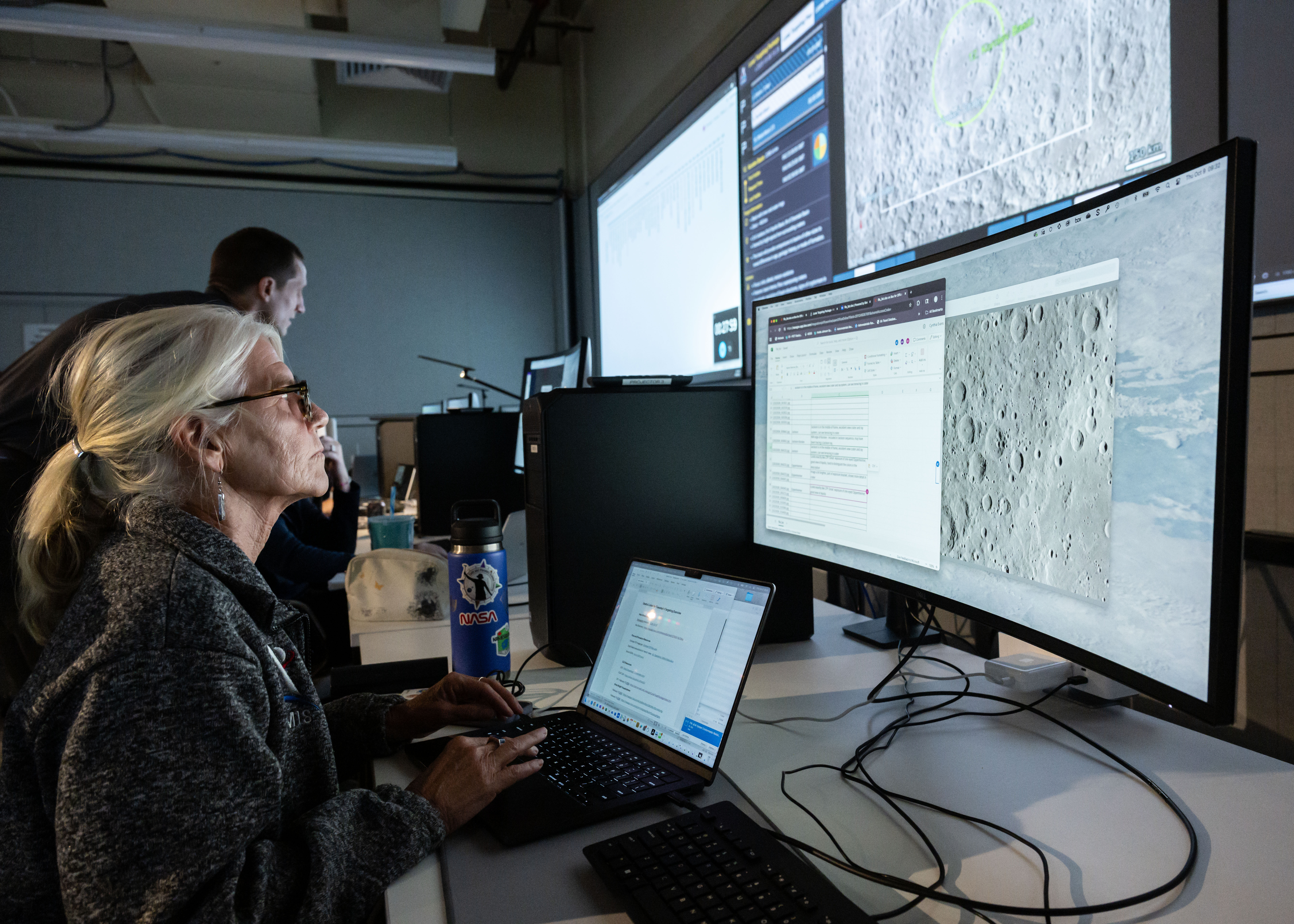
A former oceanographer who studied the rocks comprising oceanic crust, Evans imagined that she would explore the Moon as a NASA astronaut one day. That dream led her to Johnson, even if it did not result in her donning a flight suit.
In her 37 years with the agency, Evans contributed to the Space Shuttle Program, Shuttle-Mir Program, and the International Space Station before transitioning to NASA’s Artemis campaign. Some of her notable achievements include establishing the Crew Earth Observations effort for Shuttle-Mir, which equipped crews to photograph the Earth as it changed below them. As part of the imagery team investigating the Columbia accident, she helped to develop and integrate the space shuttle’s Return to Flight imagery inspection process. “I have been both honored and incredibly fortunate to have participated in a wide variety of human spaceflight programs,” Evans said. “And I am very proud of the work my team is doing right now.”
Evans also had two opportunities to travel to Antarctica to participate in deep-field geology sessions. “Few things in this world are as wonderful as camping on blue ice just a couple hundred miles from Earth’s South Pole and collecting rocks from space,” she said.
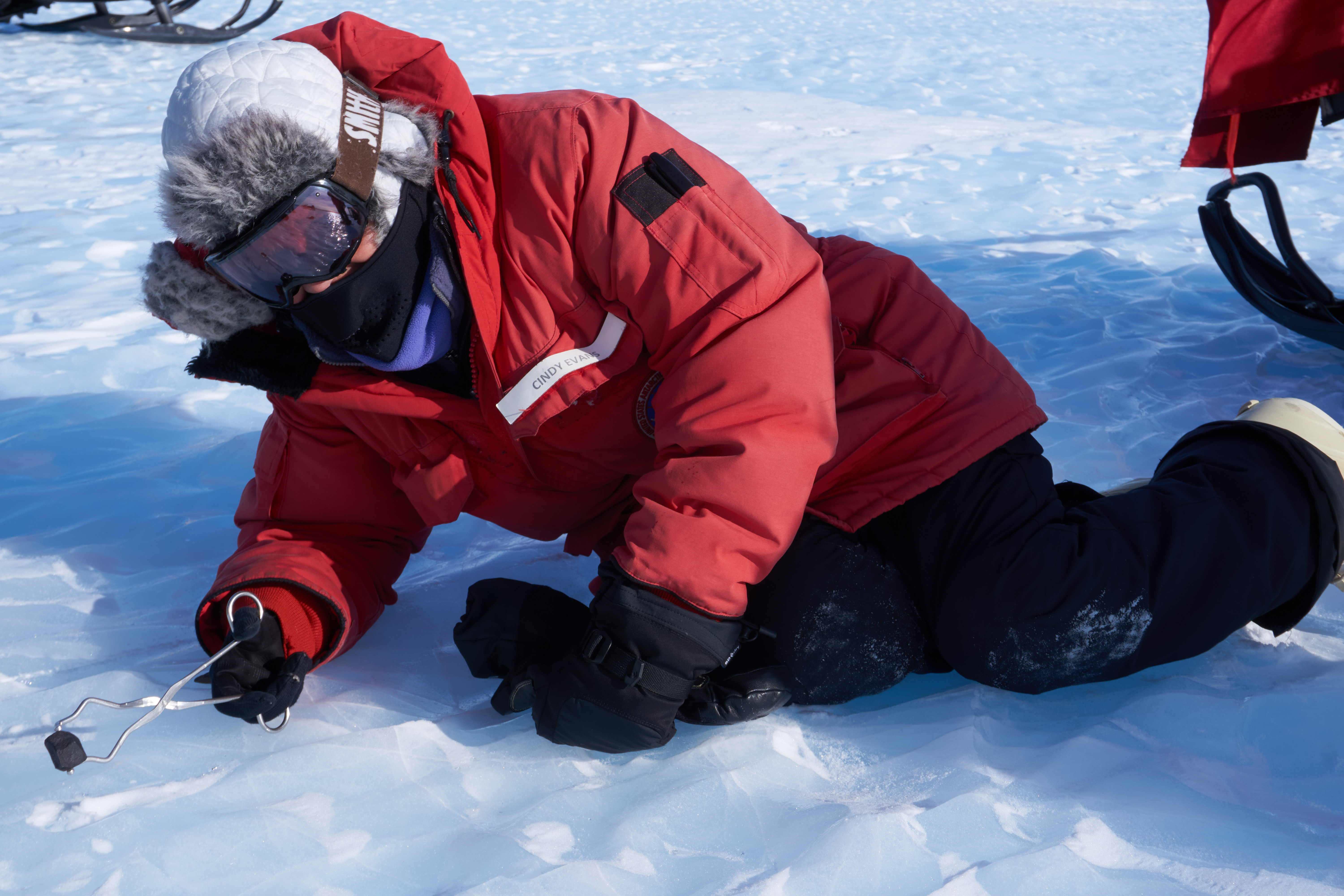
Collaborating with professionals across a variety of fields has been an integral part of Evans’ work since the start of her career. “In graduate school I was trained as an oceanographer – an interdisciplinary field where geology meets biology, chemistry, and physical oceanography,” she said. “As a planetary scientist at Johnson, I am challenged to work in a world of engineers, and embrace the complex teamwork between hardware engineers, operations engineers, management – many of whom are engineers – and scientists. It has been an incredible opportunity.”
Those interdisciplinary experiences taught Evans to embrace flexibility. “Human spaceflight is a dynamic endeavor,” she said. “I have enjoyed many different roles, and each and every position taught me new things and stretched my perspective.”
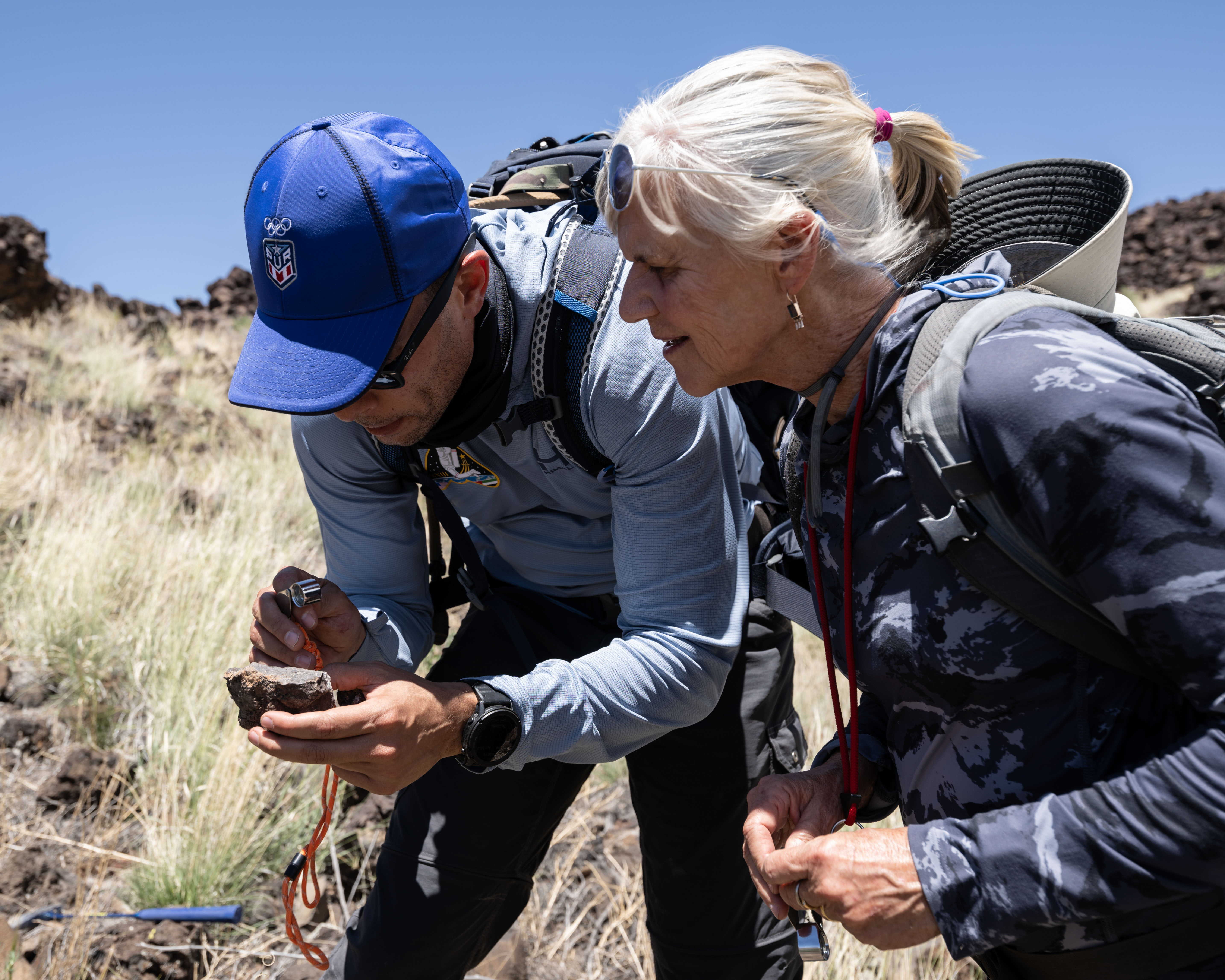
Another important lesson? “As a former lab rat, I have learned that it’s all about the people. A common thread throughout my career at NASA is the professional fulfillment brought by relationships with and the talents of colleagues and teammates,” she said.
Evans encourages early-career and aspiring NASA team members to reach out to colleagues in different organizations to build connections. “You never know where a pathway will lead,” she said. “Plans can change – don’t pass up opportunities! Even if an opportunity isn’t an obvious or intuitive next step, it’s worth your consideration.”
About the Author