Court says clean water isn’t a constitutional right. Leaders say majority-Black Jackson, Miss., deserves better

TheGrio...

The ruling upheld the dismissal of a lawsuit from residents who alleged officials allowed lead to contaminate the majority-Black city’s drinking water.
After a federal court ruled that the residents of the majority-Black city of Jackson, Mississippi, do not have a constitutional right to clean water, leaders are speaking out against what they say is a miscarriage of environmental justice.
Last week, the 5th U.S. Circuit Court of Appeals affirmed the dismissal of a 2022 lawsuit filed by a group of Jackson residents, who accused the city of knowingly allowing them to drink contaminated water. Jackson’s population is 82% Black. As theGrio reported at the time, Jackson’s water system was contaminated with lead, resulting in federal government oversight and funding assistance to fix the city’s pipes and equipment.
The Justice Department under the Biden administration accused state and local officials of not acting to “protect public health.” Citing years of neglect, a group of Jackson residents sued the city, former mayors Chokwe A. Lumumba and Tony Yarber, and individuals associated with companies responsible for the city’s public works and engineering. According to Mississippi Today, the plaintiffs alleged that the Mississippi State Department of Health, from 2010 to 2013, showed lead in the city’s water was “increasing at an alarming rate.”
“Rather than take the needed steps to stop lead from leaching further into the water, the City ignored warnings, even actively switching a section of the City’s water source from a safe groundwater system to the corrosive surface water system that was already causing lead to leach from its pipes into residents’ drinking water,” the plaintiffs claimed.
The lawsuit was dismissed by the U.S. District Court in 2024. Friday’s ruling by the 5th Circuit Court of Appeals upheld the lower court’s decision, citing that while depriving residents of clean water and the lack of transparency about its safety may be “grievous,” the actions “do not infringe upon any deeply rooted constitutional right.” The majority opinion added that there is no “constitutional right to truthful information from officials during a public health crisis.”
U.S. Rep. Bennie Thompson (D-Miss.), whose district encompasses the city of Jackson, told theGrio, “The court may say the Constitution does not guarantee a right to clean water, but that does not change the fact that federal law requires public water systems to meet standards designed to protect people’s health.”
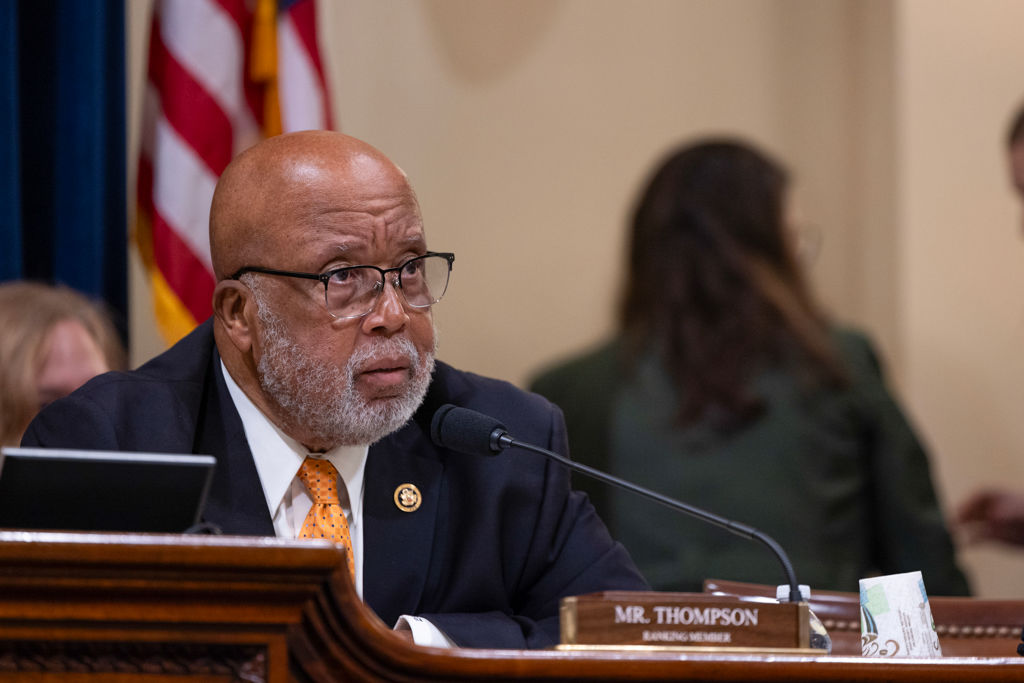
The longtime congressman added, “Every American deserves access to safe and clean drinking water. Federal law requires public water systems to meet health and safety standards set by the EPA.”
Rev. Lennox Yearwood Jr., president and CEO of Hip Hop Caucus and a longtime environmental activist, said the city of Jackson and the Fifth Circuit Court of Appeals’ decision violated “the public’s trust in government to protect their access to basic necessities like clean water.” He told theGrio, “The people of Jackson and communities across Mississippi deserve better. They deserve safe water, reliable infrastructure, and leaders who treat their health and well-being as a priority.”
Yearwood also took aim at President Donald Trump and his administration, which he said has “shown time and time again that when it comes to the Black community, policies and protections can be discarded at any given moment.”
He added, “This is why we demand that our votes be respected. Voting gives us the collective power to hold officials accountable when they fail the very people who put them in office, and to demand better when they seek re-election.”
In its opinion, the Court of Appeals offered plaintiffs other avenues for seeking remedies over the city’s water crisis.
“Plaintiffs may pursue tort claims against Defendants, elect officials who will better manage the water system and provide accurate information to the public, or petition their state and federal legislatures for other remedies,” said the group of judges.