Afroman beats lawsuit from deputies who raided his home and ended up in his music videos
TheGrio...

The “Because I Got High” rapper successfully argued that his satirical songs and postings about the 2022 police raid and the officers were protected by free speech.
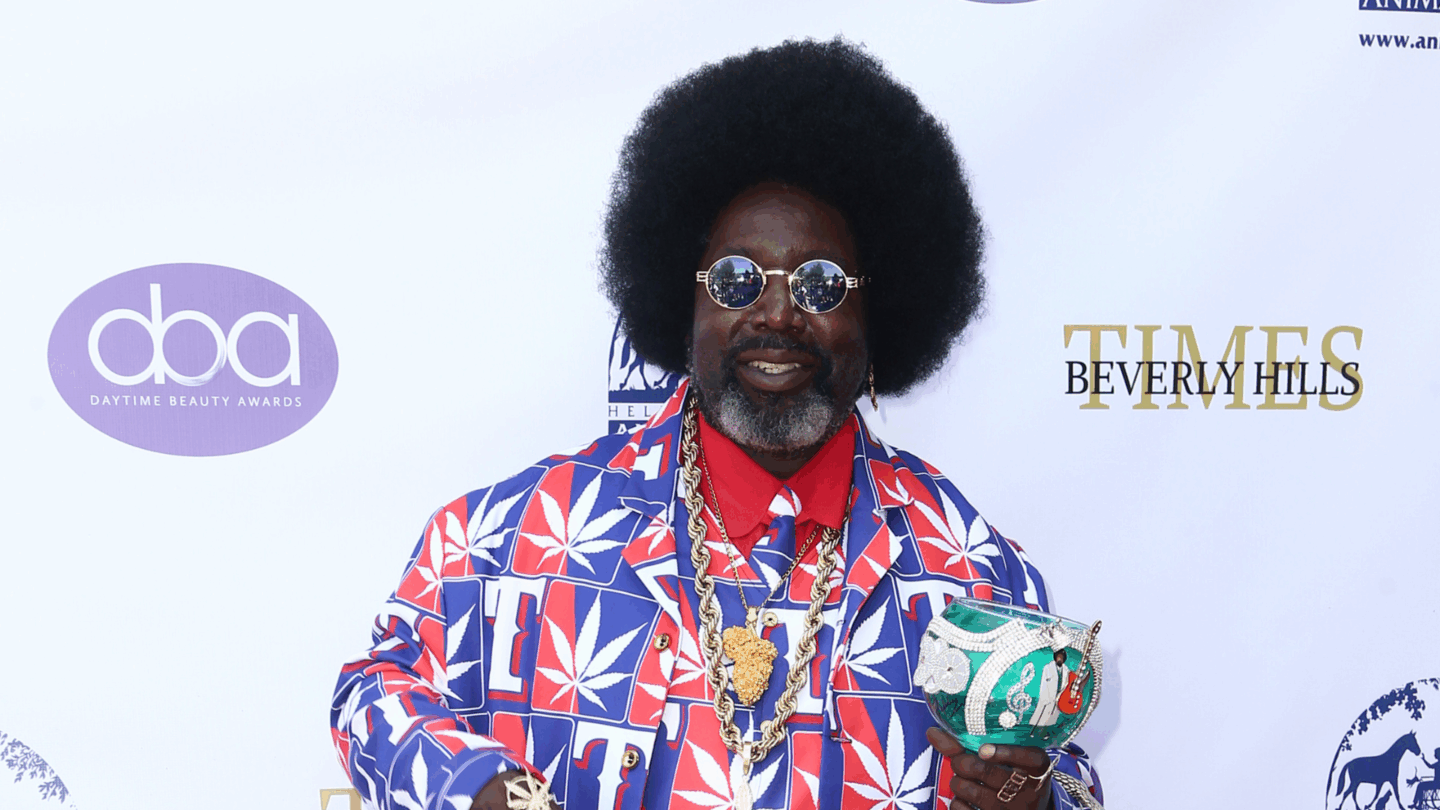
Rapper Afroman has won a legal battle against Ohio law enforcement officers who sued him over his use of police raid footage in a pair of viral music videos, according to USA Today.
The artist, whose real name is Joseph Foreman, prevailed in the case after Adams County sheriff’s deputies filed a lawsuit in 2023, claiming he used their likeness without permission in his videos “Lemon Pound Cake” and “Will You Help Me Repair My Door.” The footage in question came from a 2022 raid on Afroman’s home, which was captured on video by his then-wife while he was not present.
The deputies, who included sergeants and other officers, argued that the videos subjected them to ridicule, emotional distress, and even threats and, therefore, sought compensation. However, a jury ultimately sided with Afroman, delivering a verdict he described as a win for free speech.
“I didn’t win, America won,” Afroman said following the decision, emphasizing his belief that the outcome reinforces First Amendment protections.
The case centered on whether Afroman had the right to use the footage creatively in his music. After the raid, which was reportedly tied to allegations involving kidnapping and drug trafficking, no charges were filed against the rapper. He has maintained throughout that the search was a mistake.
In response, Afroman turned the incident into music. “Will You Help Me Repair My Door” humorously references property damage caused during the raid, while “Lemon Pound Cake” features clips of officers moving through his home, including a moment where a deputy walks past a cake in his kitchen. Both videos gained significant traction online, drawing millions of views.
During court proceedings, Afroman argued that the videos were not only part of his artistic expression but also a way to raise money to repair his home after the raid. He also pushed back on the lawsuit’s premise, stating that without the raid, there would have been no footage or songs.
“The whole raid was a mistake,” he said in court, adding that his work falls under his right to free speech as an entertainer.
The verdict closes a years-long dispute that began with the 2022 raid and evolved into a broader legal fight over artistic freedom and privacy. Afroman has continued to reference the incident in his music and in social media postings, even releasing a new track tied to the controversy during the trial.
For the rapper, the decision is about more than just one case, it’s about setting a precedent for how artists can respond to real-life events through their work.