Docs revealing final days of Kyle Whittingham's Utah tenure paint picture of resentment: 'Disappointed by your actions'
NCAAF College Football News, Photos, Stats, Scores, Schedule & Videos...
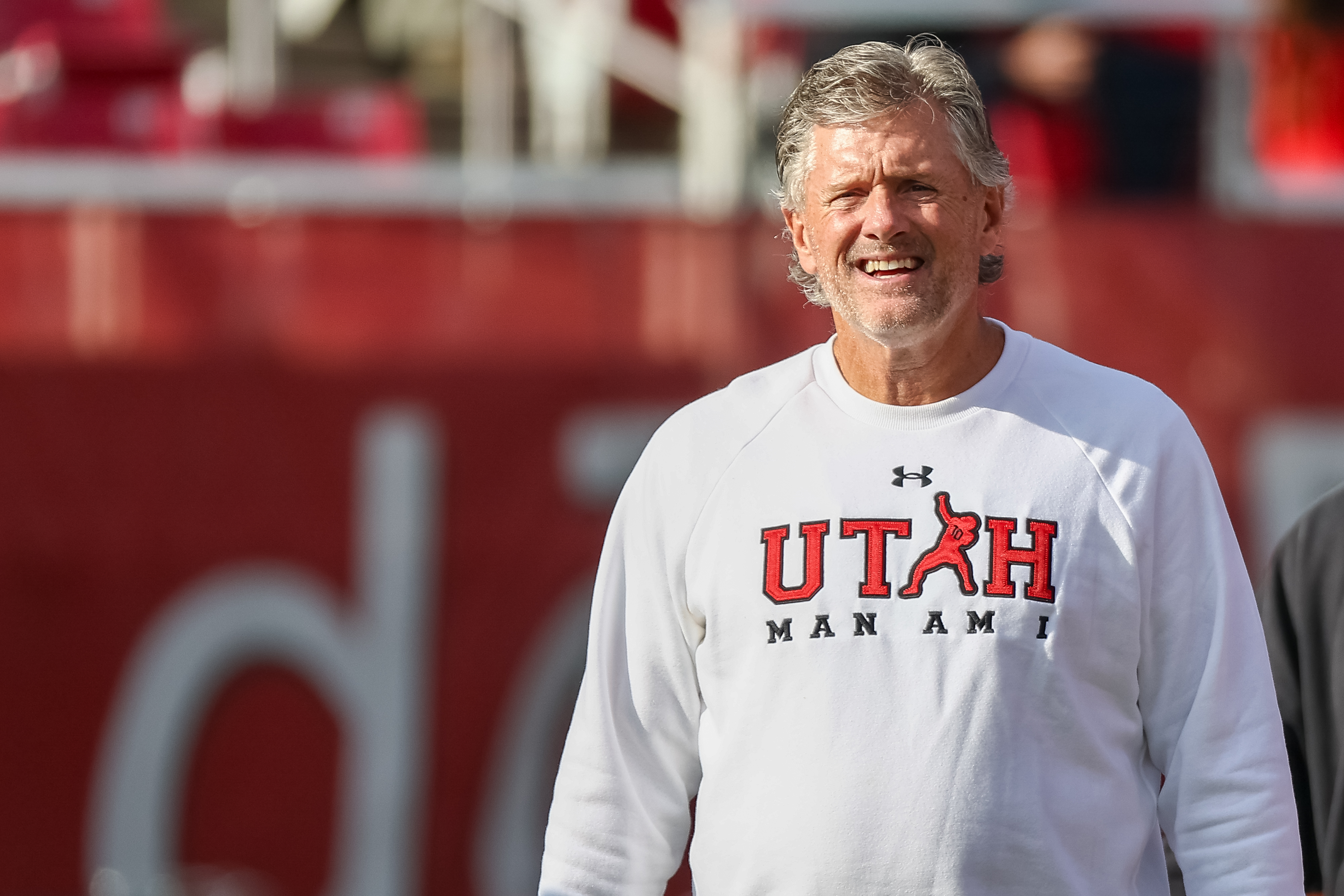
Four days after Kyle Whittingham’s Utah team completed a 10-win regular season this past fall, his agent notified the university that the coach did not intend to retire and wished to continue coaching the program — with some financial requests, including a raise for himself and staff.
However, nine days later, the coach — now at Michigan — announced his resignation after 21 years leading the Utes.
Now, months later, Whittingham’s final days in Salt Lake City are coming more into focus after the university released a trove of documents to satisfy a public records request.
The documents — emails, contract amendments and even a letter from athletic director Mark Harlan to the coach — paint a picture of failed negotiations between the school and its long-time coach over him continuing to lead the program, as well as a separation agreement that turned more acrimonious after Whittingham accepted the job at Michigan.
The Wolverines announced Whittingham as coach on Dec. 26, exactly two weeks after Utah and the coach agreed to a separation by way of a lucrative amendment to his contract. As part of the separation agreement, inked on Dec. 12, the university agreed to pay Whittingham a $13.5 million “transition bonus” in three installments over two years.
On Jan. 22, roughly a month into his tenure in Ann Arbor, Utah paid Whittingham the first bonus installment of $8 million despite the university believing that he did not uphold language in his contract that called for a “smooth and successful transition” to new coach and former Whittingham staff member Morgan Scalley.
In a January letter from Harlan to Whittingham, the athletic director wrote that the university was “disappointed by your actions last month” related to accepting the Michigan job. “The university felt that your involvement with recruiting our football coaches and staff to Michigan was contrary to the terms of your employment agreement,” Harlan wrote.
Whittingham took with him to Michigan six position assistants and the strength coach as well as five players, including a four-star signee, Salesi Moa.
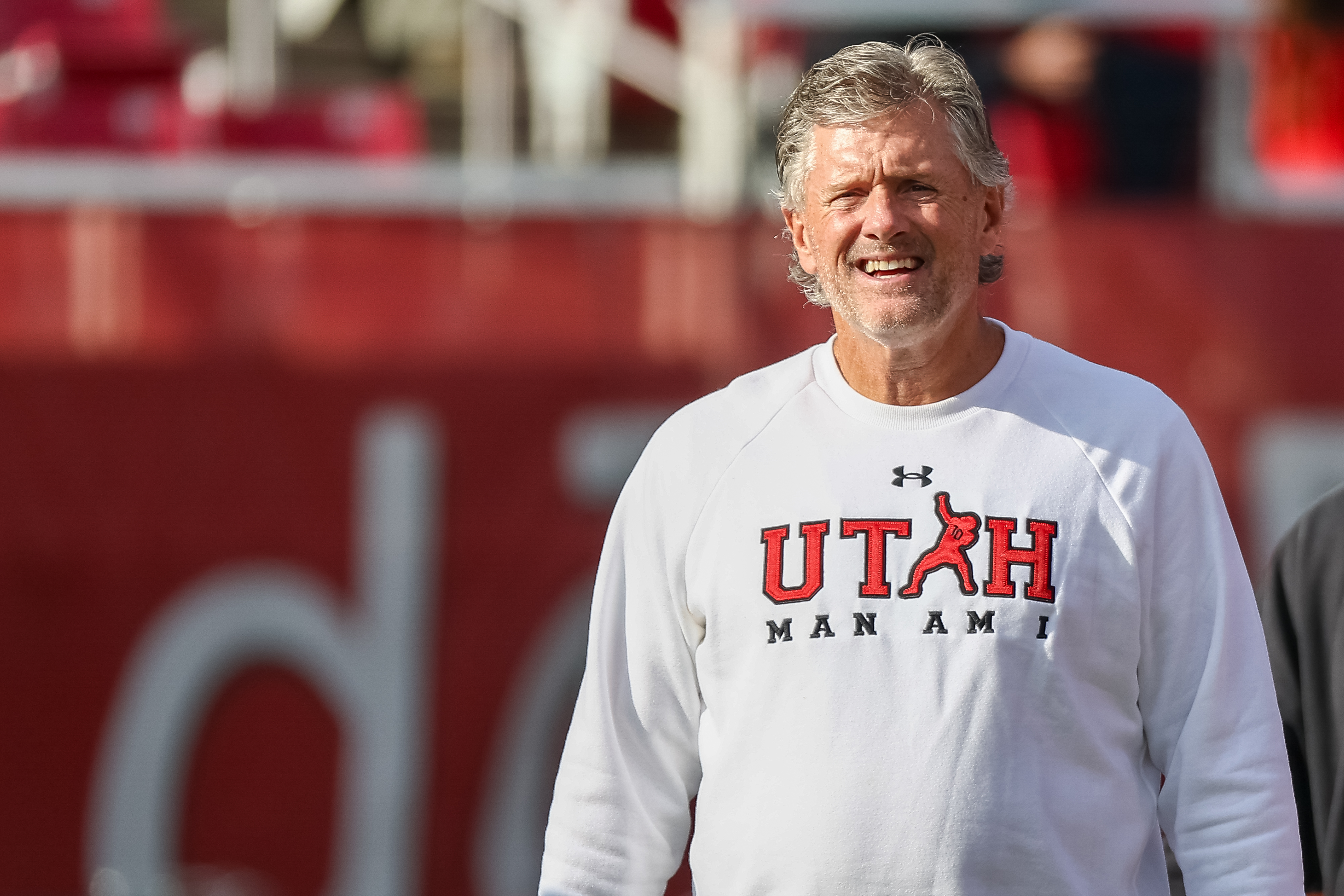
But before Whittingham resigned from Utah and long before he accepted the Michigan job, he attempted to remain as coach in Salt Lake City. However, in the week following the end of Utah’s regular season, a string of emails between Whittingham’s agent, Bruce Tollner, and school administrators outline stark differences in terms of any new deal.
On behalf of the coach, Tollner requested a $2 million increase in Whittingham’s salary (from $7 million to $9 million), a $20 million figure for “NIL” and an increase of $2 million in his staff salary pool. Three days later on Dec. 6, the school sent Tollner what was perhaps its final offer to the coach: a one-year deal for a salary of $8 million if he were to agree to cede several aspects of the program to Scalley.
For instance, under the proposal, Scalley would have “full and final” oversight in decision-making in areas of football recruiting/player personnel staffing and the general manager position and have “complete decision-making authority” over any football recruiting, roster and staffing matters impacting the program beyond 2026.
According to the offer, Harlan would hold discretion on approving some staffing decisions made by Whittingham. In another provision, a designated athletics administrator would be “housed full-time within the football facility,” according to the email. If Whittingham broke the agreement, the university would levy on him a $500,000 fine. A second violation would lead to termination.
The coach never accepted the deal and signed the $13.5 million separation agreement before accepting the job at Michigan days later. With the Wolverines, he signed a five-year contract with an average salary of $8.2 million.
Despite the belief that Whittingham violated the separation agreement with his conduct upon leaving for Michigan, Utah agreed to pay his first bonus installment instead of pursuing legal avenues, because a lengthy court challenge would not be in the “long term interests” of the university, the January letter from Harlan to Whittingham said. The second payment, of $4 million, is due next January and the third payment, of $1.5 million, is due in January of 2028, but these payments will only be made "pursuant to the ongoing terms” of the contract.
As part of the separation agreement, Whittingham’s grandchildren will receive "tuition benefit” from the university and he and his family will receive 10 tickets to Utah athletic events.
Based on the language in the separation agreement, university administrators seemed to understand that Whittingham would pursue other coaching opportunities. Interestingly, as part of agreement, Whittingham is prohibited from accepting a coaching job within the state of Utah — likely a reference to Utes’ rival BYU — before Jan. 9, 2028.
Whittingham’s exit from Utah was a long-time coming.
His decision — will he hang it up or not? — seemed to overshadow the end of the last several seasons, especially after the university, in an effort to keep noted defensive coordinator and Utah alum Scalley, announced him as head coach-in-waiting in July of 2024. In fact, in 2024, the school even amended Whittingham’s contract to add a two-year retirement position at an annual salary of $3.45 million whenever he decided to retire.
This past year, Whittingham made his decision to return in the days after a win over Kansas to complete a 10-2 regular season — his eighth season with double-digit wins. In a two-sentence email to Utah associate athletic director Jeff Rudy sent on Dec. 2, Tollner informed the school of the coach’s desire to continue leading the program.
Nine days later, Whittingham, as part of a stipulation in the separation agreement, posted his resignation on social media.
More at NCAAF College Football News, Photos, Stats, Scores, Schedule & Videos