‘He’s a good man, Savannah!’: The irony behind the infamous ‘Waiting to Exhale’ quote’s viral status
TheGrio...

After over 30 years, “Waiting to Exhale” has provided plenty of memes, but what does “He’s a good man” actually say about our current times?
Scroll long enough online, and you’re sure to come across it.
Under a TikTok about a surprisingly good first date. In the comments section of a woman posting about how her husband planned her birthday down to the smallest detail on Threads. In the replies of Instagram Reels where women almost sound surprised to admit they feel emotionally safe, considered, and truly chosen.
Like clockwork, someone always comments, “He’s a good man, Savannah!”
The line from the iconic 1995 classic film “Waiting to Exhale” has become the internet’s favorite way to recognize a man. But it couldn’t be more ironic, given how in the movie, the man in question absolutely was not a good man.
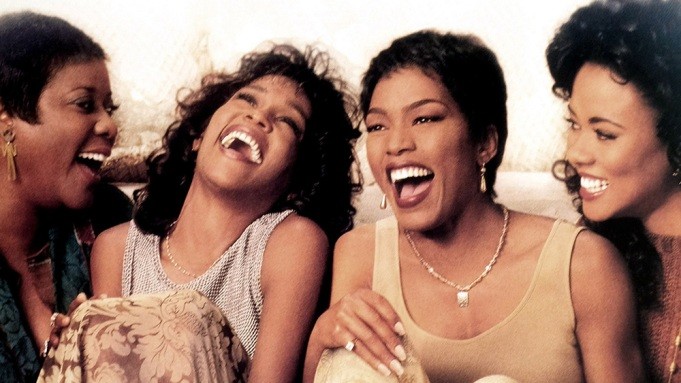
In “Waiting to Exhale,” directed by Forest Whitaker and based on Terry McMillan’s bestselling novel of the same name, four Black women navigate love, betrayal, friendship, and self-worth while each wrestling with whether partnership should require quite as much compromise. Set in Phoenix, Arizona, Whitney Houston’s character, Savannah, is caught in a long-distance affair with Kenneth (Dennis Haysbert), a married man who keeps promising to leave his wife and daughter but never does.
When he reenters her life, Savannah’s mother encourages her to be patient and essentially settle for him because, on paper, he seems decent enough. “He’s a good man, Savannah. A good man. He’s just in a terrible situation,” she insists, reflecting a mindset shaped by a time when simply having a man was often considered security enough. What makes the quote’s viral next life so fascinating is how far its meaning has shifted from this original moment.
In the movie, the comment falls flat because Savannah’s mother is pushing back against her daughter’s rejection of Kenneth in the present, even though the present is not very sweet. Kenneth is not publicly choosing Savannah, and he is not offering her a real timeline. What her mother calls a good man is really just a familiar type of man.
This tension between wanting romantic partnership and questioning its cost runs through all four women’s stories. Angela Bassett’s Bernadine reaches her breaking point after years of prioritizing her husband’s success over her own fulfillment. Loretta Devine’s Gloria is forced to reconsider whether she has accepted loneliness in exchange for stability. Lela Rochon’s Robin represents the search for love in all the wrong places until you are finally willing to break your patterns. Savannah ultimately ends things with Kenneth for good and refuses to believe the script that says she can’t be happy all on her own.
That is why the meme feels so tender now. When women use the quote today, they mean it at face value. They are not talking about potential. They are talking about men who are passionate, transparent, devoted, and genuinely loving. After women’s agency and rights increased and decades of conversations like the ones between the four women in this movie around unequal emotional and domestic labor in heterosexual dynamics, therapy, boundaries, and what a healthy partnership actually requires, more women are seeking out relationships that reflect those lessons or finding no problem in forgoing romantic partnership. According to recent data from the U.S. Census Bureau, just under half of American households (roughly 46%) are led by married couples, compared to roughly 78% in the 50s. It could sound like marriage is in decline, but it feels like only bad marriages are.
And honestly, we think even Savannah’s mama might agree!