How experiencing anhedonia, a lack of joy, gave birth to Dr. Judith ‘Joy’ Joseph’s mental health platform
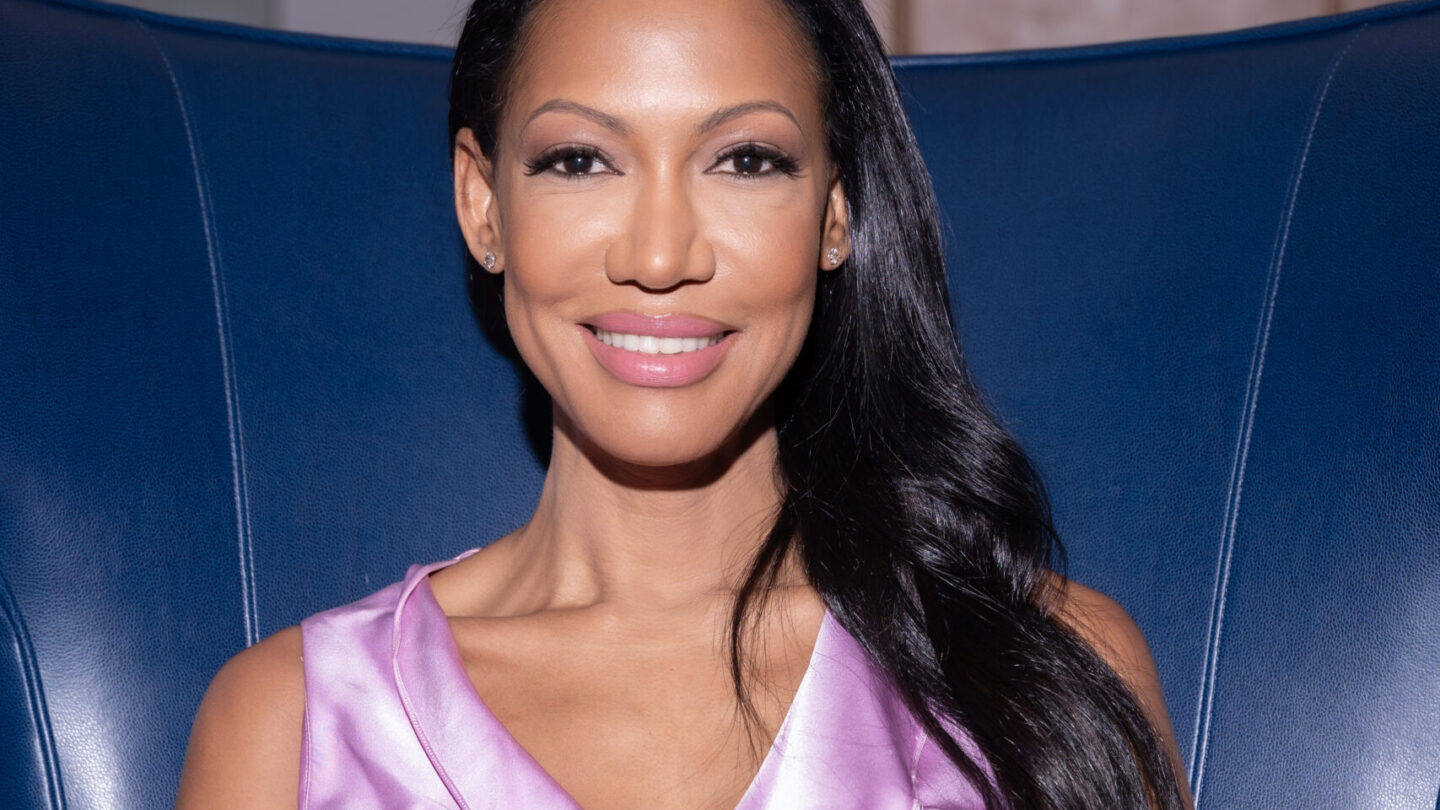
TheGrio...

In this exclusive interview, Dr. Judith Joseph opens up about the state of joy among Black women and why we need it.
Dr. Judith Joseph is known to millions on social media as a joyful mental health expert. Across multiple platforms, the leading psychiatrist educates thousands each day through her entertaining videos and posts breaking down mental health terms like anhedonia—the inability to feel joy. However, at one point, she herself was in need of her own joyful rekindling.
“When I was going through a period of anhedonia, where everything on the outside looked good, but I was struggling with joy, I started to wonder, how many people were just like me?” she told theGrio during a recent interview.
“How many people were like the rock? How many were the entrepreneur? How many were the ones that showed up for others but weren’t really prioritizing our own joy?” the psychiatrist mused, adding, “Pathologically productive—we’re humans doing, not humans being.”
It was 2020, she explained, when many were quarantining during the COVID-19 pandemic, doomscrolling as life grew more uncertain by the day. At the same time, the country was in the midst of a national reckoning around racism following multiple high-profile killings of unarmed Black people within a matter of months.
“Everyone was going through this collective trauma,” Joseph continued. “And then there were periods where it was like, ‘Oh, you’re safe now.’ Then, ‘Oh wait, no, you’re not safe. Go back, wear masks.’ There were just a lot of ups and downs. And I think a lot of us haven’t fully recovered from that uncertainty and that collective trauma. But we’re told to just keep going.”

She’s far from wrong. Since the onset of the COVID-19 pandemic, mental health outcomes have continued to decline in America. According to recent reporting from Gallup, by 2025, the percentage of Americans describing their mental health as “excellent” fell below 30% for the first time, down from roughly 40% to 43% just six years earlier. Meanwhile, looking at the numbers more closely, rates for depression among Black women have reached roughly 24.3% compared to 18% for Black men.
It’s part of what drives Joseph’s work today. Based in New York City, an award-winning, board-certified psychiatrist, researcher, and author, she has made it her mission to address what she describes as a collective lack of joy through both her clinical work and her growing public platform, which she launched in 2022 as both a creative outlet and a way to stay connected with her students. She has been featured on several major outlets including Oprah Daily and “Good Morning America,” and in February 2025, just months before dropping the book “High Functioning: Overcome Your Hidden Depression and Reclaim Your Joy,” she published “Understanding High-Functioning Depression in Adults,” a first-of-its-kind peer-reviewed paper examining the links between high-functioning depression, anhedonia, and trauma, partly inspired by her own lived experience. Her platform also includes a podcast, “The Vault with Dr. Judith.”
Her content now reaches a wide audience by breaking down complex mental health concepts in ways that feel accessible and culturally relevant. When Teyana Taylor faced backlash following her appearance at the 98th Academy Awards on Sunday, with critics questioning her expressive joy, Joseph posted a video breaking down the long history of Black women having their joy policed in the public eye. In another post, after Doja Cat claimed she had been diagnosed with borderline personality disorder, Joseph made a video explaining the condition.
Her videos range in tone from clinical to comedic, including one in which she dons a beard and mustache to illustrate relationship communication dynamics, yet all are meant to help people better understand themselves.
“We’re built with the DNA for joy,” she said. “Every single human being has it encoded into our DNA. The reason we’re designed to access joy, even in the midst of challenges, is because joy allows us to have better physical health, better relationships, and better careers. It makes us more likely to give back to our communities.”
Joseph added that this truth is especially evident in the resilience of Black women throughout history.
“Even during times when Black women had it the worst, including slavery, we still managed to hold on to joy, even when it was being taken from us in so many ways,” she noted. “We survived by holding on to those points of joy, by still celebrating our culture.”
The content creator agrees that accessing joy can feel especially difficult given the pressures and systemic barriers to care that many Black women face today.
“We are going through a lot at this point in time,” she said before noting widespread DEI rollbacks contributing to job losses among Black women, high-profile political losses, and the ongoing maternal health and maternal mental health crisis that continues to disproportionately impact Black mothers.
“But I do think joy is still possible,” she said.
Part of that work, she says, involves redefining what joy actually looks like.
“Joy doesn’t have to be drastic. It doesn’t have to be winning an Oscar or getting a medal,” she explained. “It could be little things like taking a rest after you’ve achieved something because you believe you deserve that rest.”

She also emphasizes that joy is often misunderstood as simply happiness.
“In research, when we measure joy, it’s not just one expression. It’s not just happiness. I think that’s a big misconception,” she said.
According to Joseph, cultivating joy has tangible life outcomes, such as increased physical health, more fulfilling relationships, and greater productivity.
“It used to be thought that it was bitter, angry people who went out and changed the world. But it’s actually joyful people who go out and change the world,” she added. “When you’ve found something that brings you joy, you’re more likely to want other people to experience that too.”