How the timber rattlesnake became a symbol of American independence
Popular Science...
2026 marks the 250th anniversary of American colonies declaring their independence from Great Britain. One of the most enduring symbols of those “times that try men’s souls” is the bright yellow Gadsden flag. With its coiled timber rattlesnake, emblazoned with the infamous words “Dont treat on me” (without the apostrophe), the cryptic reptile slithered its way into the American imagination long before the bald eagle.
“The next time you see a rattlesnake, or hear its warning rattle, consider it a reminder,” the United States Fish & Wildlife Service (FWS) wrote in a recent blog post. “A reminder of where we came from and a reminder that American symbols don’t always soar. Sometimes, they rattle.”
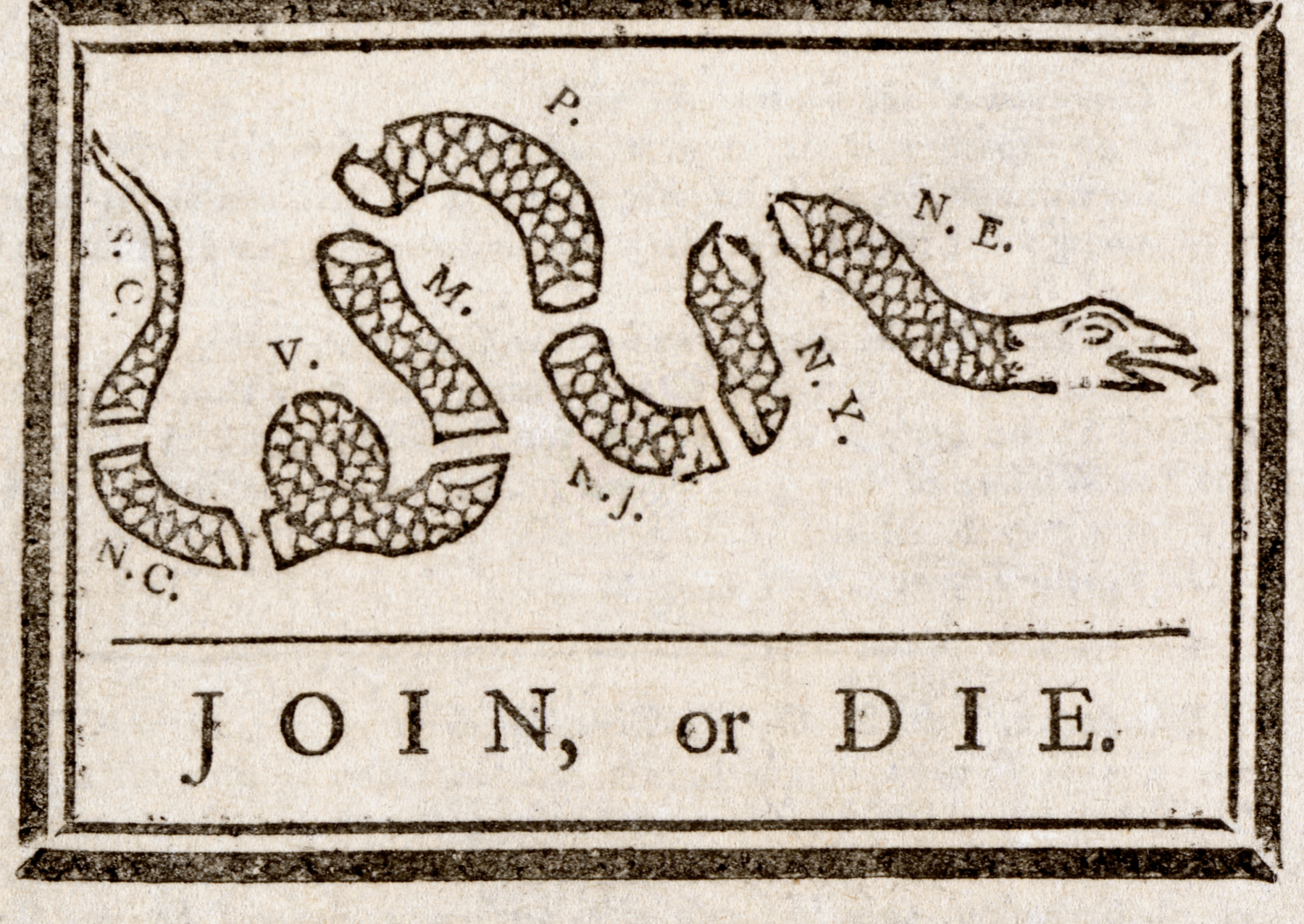
For American colonists, the snake became a symbol to leave them alone or face consequences. Benjamin Franklin even praised the rattler because while it never strikes first, it does not back down. Even before the Gadsden flag, Franklin published a 1754 cartoon in his Pennsylvania Gazette showing a timber rattlesnake. In his now famous “Join, or Die” cartoon, the snake is cut into pieces labeled with a colony. It is considered the first political cartoon published in an American newspaper and helped cement the rattlesnake as an important early American symbol up through the Civil War.

While the reptile was an enduring historic symbol, the real timber rattlesnake (Crotalus horridus) is still a very real snake here in the United States. However, the serpent is facing increased threats. It is found throughout the eastern U.S. from the Mississippi River Valley up through the Appalachian Mountains. It is a venomous pit viper that lives in forests, rugged terrain, and rocky outcrops. However, it has disappeared from some of its range due to habitat loss and fragmentation, being run over by cars, and a decline in its food supply (small mammals).
These rattlers are slow to mature and reproduce infrequently, making them particularly vulnerable to disturbances. They are listed as endangered in New Jersey, Vermont, Massachusetts, Virginia, New Hampshire, Indiana, and Ohio. Timber rattlesnakes are listed as threatened in New York, Connecticut, Illinois, Minnesota, and Texas. They have also been extinct in Canada since 2001.
As with most snakes, timber rattlesnakes suffer from a bad reputation. As Ben Franklin appreciated, they would rather warn you than bite. They generally want nothing to do with humans unless they are threatened (or stepped on). The reptiles are not aggressive and their rattles are merely a built-in warning system that says “stay away.” Timber rattlesnakes also keep ecosystems healthy by controlling rodent populations and reducing the spread of disease and damage to crops. As a top predator in many forest ecosystems, they serve as an indicator of environmental health.
According to the FWS, it is worth remembering this symbol of our country’s natural history as the nation honors 250 years of American independence
“They remind us not only of what we’ve fought for, but of what we still have to protect,” wrote the FWS. “The timber rattlesnake was there at the founding. It’s woven into our history, our flags, and our ideals. It’s not just symbolic. These snakes are real and alive and still need our care.”
The post How the timber rattlesnake became a symbol of American independence appeared first on Popular Science.