Independent review found ‘structural weakness’ led to N-word incident at BAFTA Awards, not ‘institutional racism’
TheGrio...

BAFTA apologized to members on Friday (April 10) following an independent investigation that concluded it fell short of its diversity goals on awards night.
After an independent investigation concluded that the incident involving the N-word showed “structural weaknesses” within BAFTA, the organization addressed its members.
The organization sent an email to members on Friday (April 10), making apologies out to the Black community, “for whom the racist language used carries real pain, brutality, and trauma,” and the disability community for “including people with Tourette Syndrome, for whom this incident has led to unfair judgement, stigma, and distress.”
“What was supposed to be a moment of celebration was diminished and overshadowed. We have written to those directly impacted on the night to apologise,” the statement from the organization said.
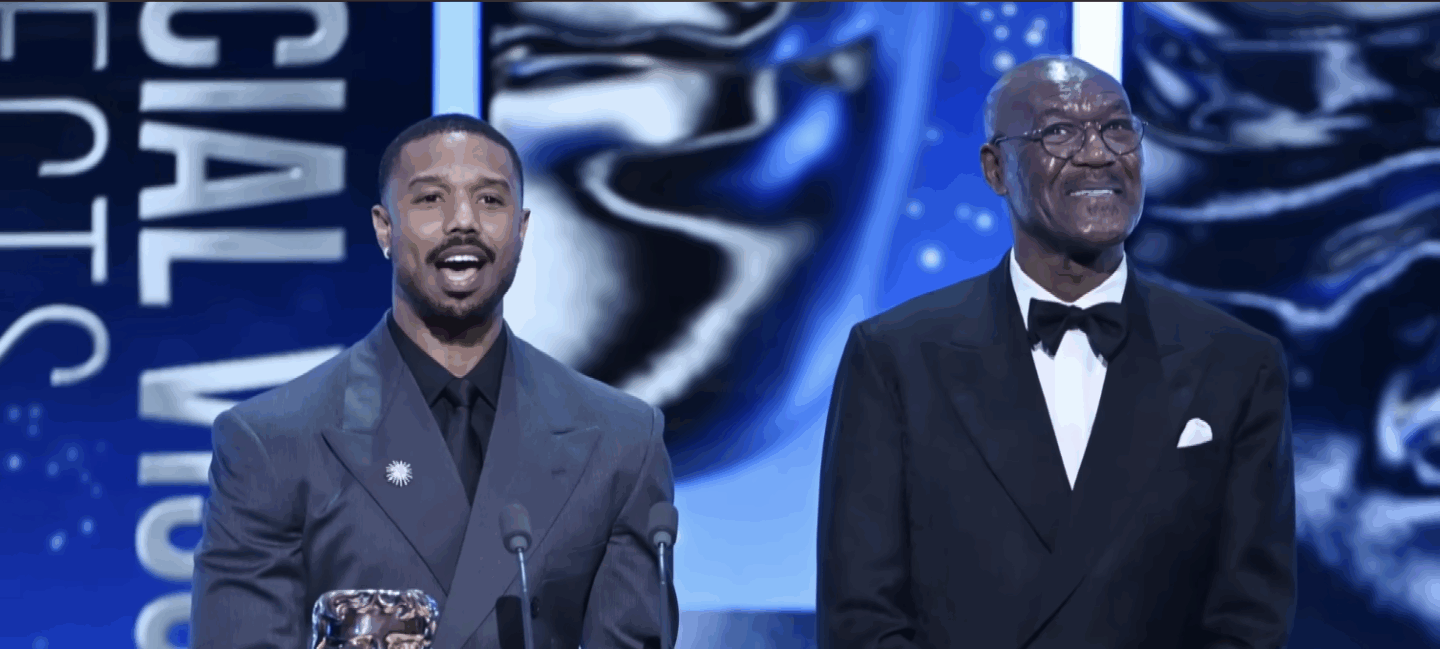
While Michael B. Jordan and Delroy Lindo were presenting at the BAFTA Awards on Feb. 22, a shout from the audience interrupted them, specifically someone shouting the N-word. It was Tourette activist John Davidson, who was attending the event for the nominated film, “I Swear,” which is inspired by his experience with the neurological disorder. Later, it was explained that Davidson’s tics were causing him to involuntarily shout out the slur, as well as other curse words while different presenters took the stage throughout the night.
Many criticized BAFTA for creating an environment where such an incident was allowed to take place, and also the BBC for broadcasting the moment with Jordan and Lindo, even though the show was pre-recorded.
The independent review of the incident done by RISE Associates concluded that there was no “evidence of malicious intent on the part of those involved in delivering the event, but found “structural weakness in BAFTA’s planning, escalation procedures and crisis coordination arrangements.”
“In particular, the organisation did not fully appreciate the nature of the risk associated with a live broadcast appearance, early warning signs were not escalated, and the absence of a clear operational command structure limited BAFTA’s ability to respond effectively once the incident occurred,” RISE Associates wrote.
The review further explained its reasons for why it did not blame the BAFTA incident on institutional racism, instead pointing to BAFTA’s planning of the event, saying the organization fell short in its preparation and “risk governance systems.”
“However, it would be wrong to describe the event as evidence of institutional racism, as this misses an important point. Institutional racism means that racial bias is built into systems, policies, and culture,” the independent review said. “In such systems, discriminatory outcomes appear regardless of individual intent. The available evidence does not support that conclusion here. Instead, the evidence suggests something different. BAFTA’s planning and risk governance systems have not kept pace with its diversity goals.”