Is drinking cold water bad for you? We asked a dietitian.
Popular Science...
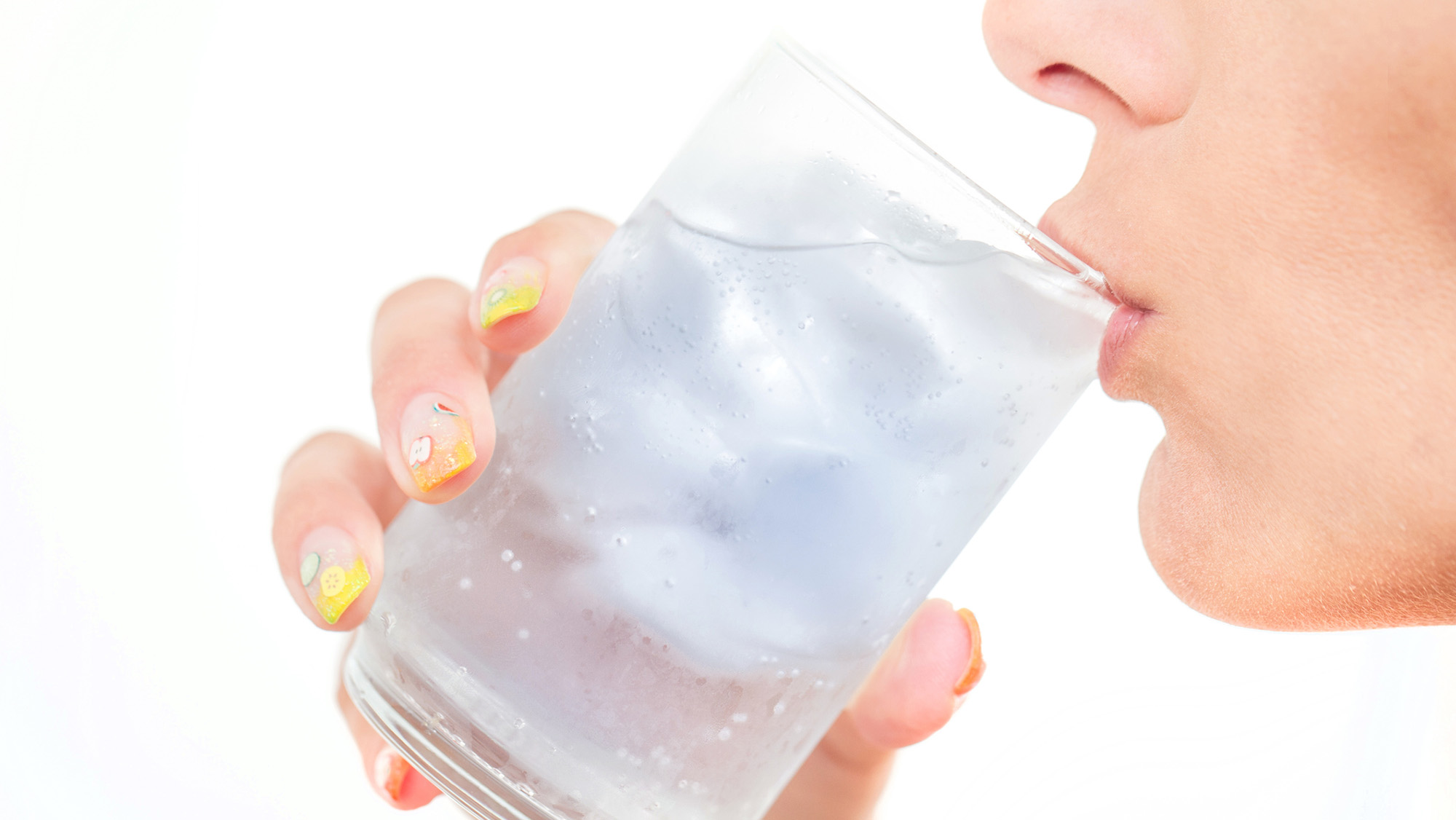
On a hot summer’s day, the most refreshing beverage, be it tea, lemonade, or plain old water, probably comes with a few ice cubes. But just as there are myths about drinking beverages hot, the same can be said for cold drinks. According to some wellness influencers and well-meaning relatives, cold drinks can mess with digestion and nutrient absorption. But, perhaps unsurprisingly, these claims are blown out of proportion.
“Cold and iced drinks have developed an undeserved bad reputation,” Diane Lindsay-Adler, registered dietitian and assistant professor of pediatrics at New York Medical College, tells Popular Science. So should we throw our ice trays to the wind and fill our water bottles with lukewarm liquid? Here’s what you need to know.
People with certain conditions should avoid cold drinks
So, are there any health risks to drinking icy beverages? It depends on who’s drinking them, Arizona-based family physician Natasha Bhuyan tells Popular Science.
If you are prone to acid reflux, cold drinks may trigger symptoms. But let’s be honest, a lot of times it matters more what you’re drinking than if it’s on ice: carbonated beverages, certain fruit juices like citrus or tomato, coffee, and booze run the risk of worsening a flare-up.
If you have a cold or a stuffy nose, cold drinks can slow the velocity of mucus, meaning those achoos aren’t removing as much gunk as they could be if you were sipping on warm tea or soup, according to one 1978 study.
For folks with migraines or asthma that are triggered by cold temperatures, cold beverages might contribute to those symptoms, Singapore-based physician Samuel Choudhury said in a TikTok video. However, if your condition isn’t triggered by temperature, you’re likely not going to experience a flare-up in symptoms simply by drinking a cold drink.
Another group of people that should approach cold beverages with caution is those who struggle with achalasia, says Allison Miner, assistant professor of nutrition and food studies at George Mason University. Achalasia is a condition where damaged nerves can make it tricky for the tube connecting your mouth to your stomach, the esophagus, to do its job by moving food from one spot to the other. Drinking cold drinks or eating cold food can make patients experience more difficulty swallowing, chest pain, and regurgitation, according to one 2012 study.
There’s also the issue of tooth sensitivity and brain freezes. If every time you guzzle down a slushy or iced tea, your teeth start to throb or you get that familiar momentary brain pang, just stick to room temperature or warmer beverages.
But when it comes to digestion or nutrient absorption, no matter the old wives tales, you’re not going to see any pros or cons from drinking cold water. The temperature of the liquids you drink really doesn’t matter—our bodies have a knack for digesting liquids, and water absorption and digestion can happen in around five minutes.
A cold drink can quickly become room temperature. “So the effects, if any, are transient,” Choudhury said in their TikTok post, adding that water and nutrient absorption aren’t impacted by temperature, so you’re in the clear no matter what temperature you favor.
Cold drinks actually benefit some people
Before you swear off ice water for good, there are a few reasons why some people should be keeping their beverages cold. Namely, athletes and people who exercise a lot, says Miner.
When we work out, our bodies heat up, something you’ve probably noticed in the form of a mid-jog flush or sweaty socks after a soccer match. If you’re working out outdoors on a hot day, there’s always the risk of exercise-induced heat exhaustion, which can look like dizziness, heavy sweating, fast heart rate, and even fainting.
One of the best ways to handle heat exhaustion and keep it from happening is drinking plenty of water. While any water or sports drink will do, Miner adds that cold water can help cool the body down faster than a warmer alternative.
“If you are an athlete and you’re running a marathon or you’re playing three hours of basketball, [cold beverages are] something that you might want,” Miner says.
Additionally, if cold drinks simply make you drink more on a hot summer day, that’s good enough reason to fill your water bottle to the brim with ice. When it’s hot out, we sweat more—meaning we’re constantly losing water to keep our body cool and comfortable. That means it’s important to stay hydrated, especially as our summers continue to get warmer and warmer.
“In hot weather, people naturally drink more when beverages are cold,” says Lindsay-Adler. “In winter, warm drinks can feel more appealing when thirst signals are weaker. Neither choice is metabolically superior—the best option is the one that encourages you to drink enough.”
In Ask Us Anything, Popular Science answers your most outlandish, mind-burning questions, from the everyday things you’ve always wondered to the bizarre things you never thought to ask. Have something you’ve always wanted to know? Ask us.
The post Is drinking cold water bad for you? We asked a dietitian. appeared first on Popular Science.