It's not Lane Kiffin's fault for putting Ole Miss in limbo. Blame college football's broken coaching model
NCAAF College Football News, Photos, Stats, Scores, Schedule & Videos...
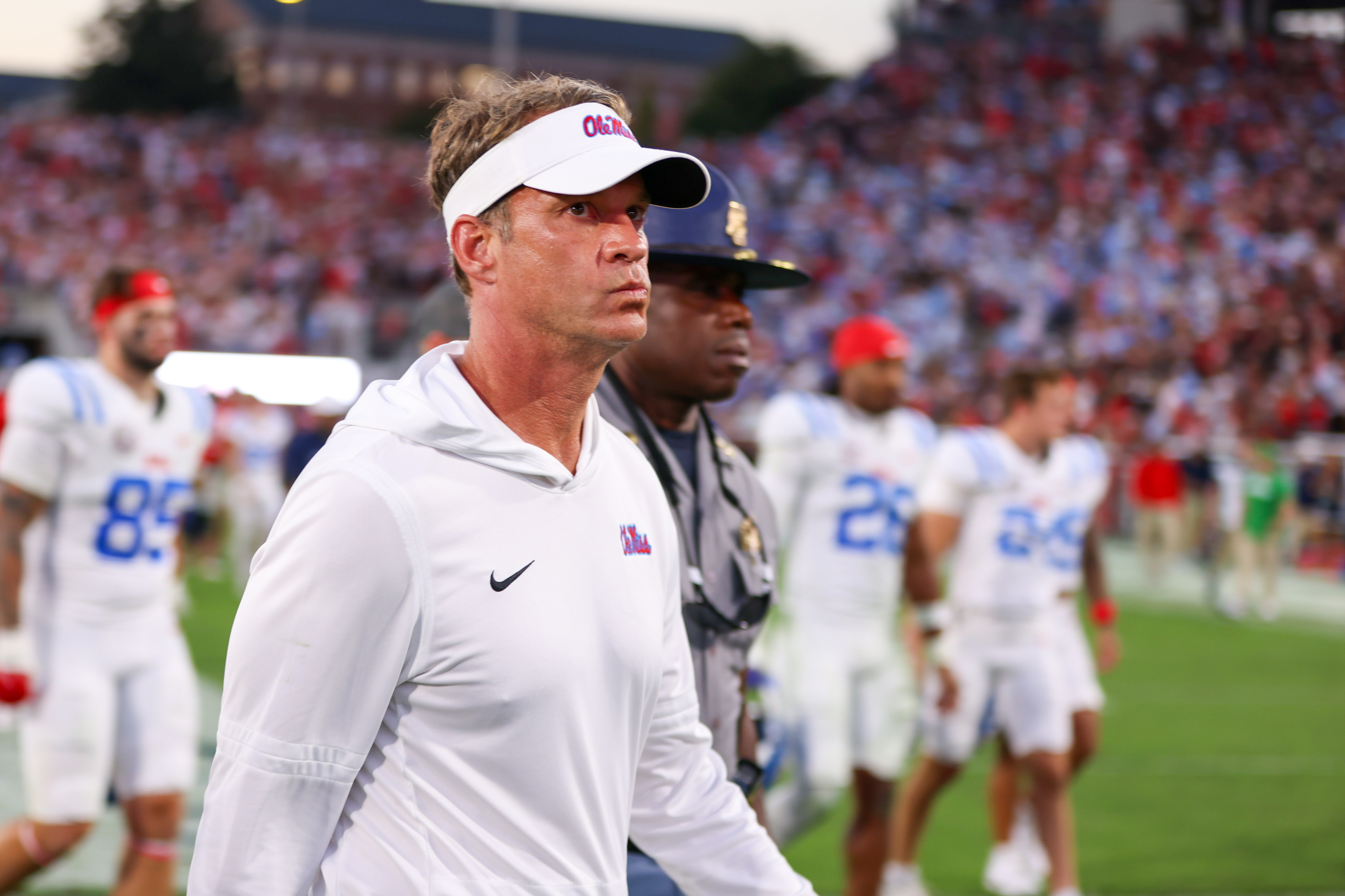
If you’ve followed the online discourse this week surrounding Florida’s visit to Ole Miss, it has been a predictable mess.
Wild rumors. Cryptic interviews. Online sports books changing their odds. Recruits committed to Florida suddenly visiting Oxford.
What does it all mean?
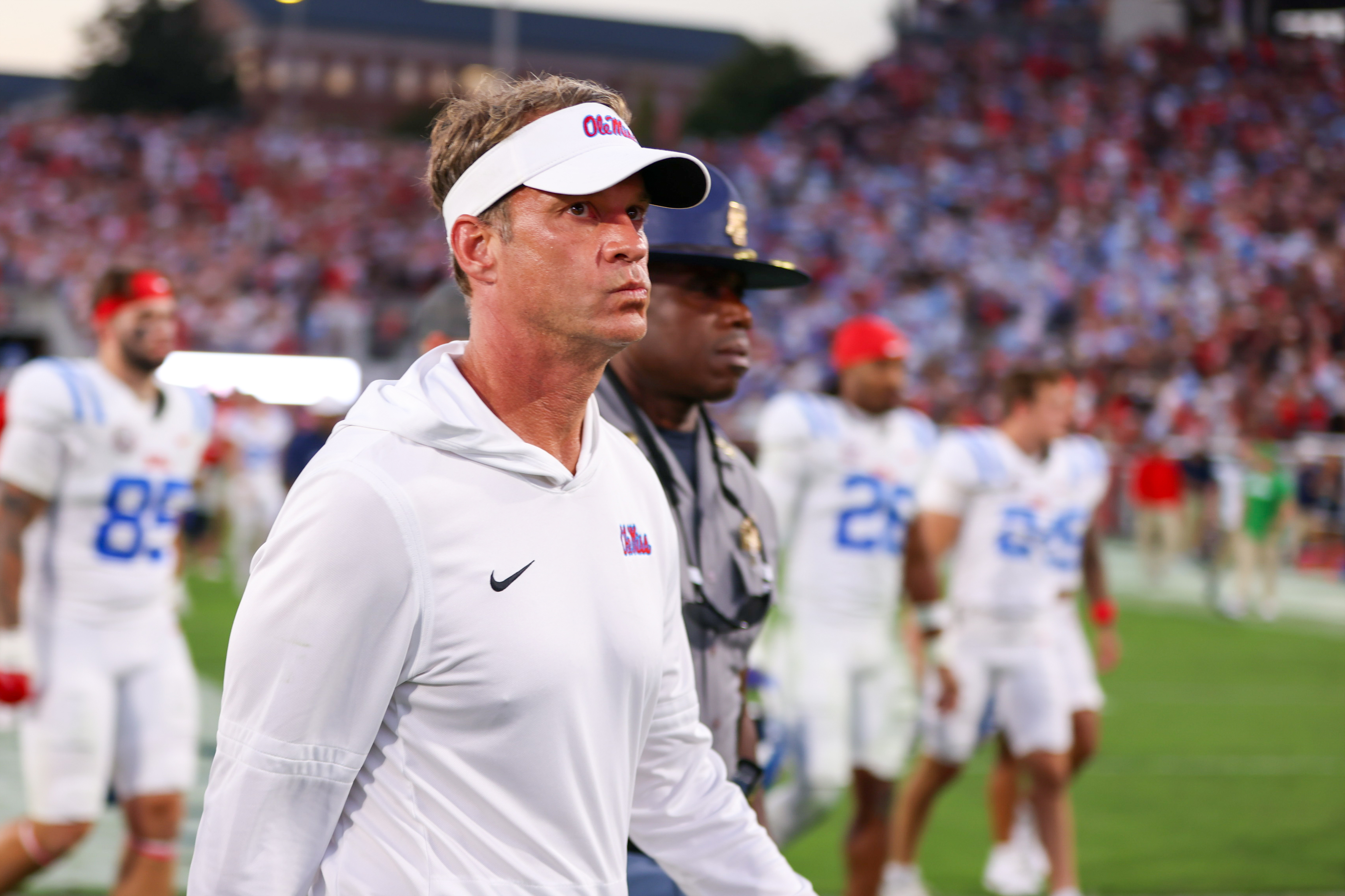
Lane Kiffin is loving this. Or, at the very least, the Ole Miss coach is comfortable enough in the chaos to allow this raging fire to continue breathing, even as everyone knows — including his bosses at Ole Miss — he’s weeks away from a choice about whether to stay where he’s at or leave for Gainesville.
But that’s only a fraction of activity that has taken place this week in the coaching search industrial complex. It’s not just backchannels between agents and search firms anymore. It’s sitting head coaches jumping on Zoom calls with athletic directors while their seasons are still playing out, schools trying to make handshake deals so they have a new coach ready to roll out the first week of December, and even setting up multiple if/then scenarios where if an agent can’t guarantee this guy, then one of the other clients on his roster will be ready to sign once the first domino falls.
In other words, ridiculous business as usual.
“There are coaches talking to other schools in the middle of the season and usually the AD knows,” one agent told Yahoo Sports. “I’d be furious if I were on that side. Why do they allow it? I don’t get it.”
The part no one talks about is that it doesn’t have to be this way. In fact, it’s not this way in the NFL or NBA, where a contract is a contract. In college sports, it’s merely a suggestion.
But if we can agree that college football is now a professional sport merely dressed in nostalgia and pageantry for the way things used to be, why is it so permissive in allowing the movement of coaches from one job to another? And why don’t the people with the most at stake do something to protect their interests when they might lose the most valuable asset in a nine-figure business to a direct competitor?
No other high-stakes American industry operates this way.
Do you think the CEO of an airline or a fast-food chain can just go interview with another any time they want? Please.
Even in sports, there was an entire "Seinfeld" episode about this nearly 30 years ago, where George Costanza gets courted by the New York Mets to be their top scout, but he can only take the job if he gets fired by the Yankees. So he pulls a series of stunts that he hopes will get him fired, only to discover that each attempt to get canned elevates his standing with owner George Steinbrenner.
In real life, when a pro franchise covets the head coach of another team who is under contract, the incumbent front office can either let that coach out of their deal early or seek compensation. That’s happened a handful of times, notably in 2013 when the Clippers agreed to send the Celtics a first-round draft pick in order to sign Doc Rivers, who had three years left on his deal in Boston.
In college, you get a buyout for losing a coach. How effective is that?
It can be if the number’s high enough. Take Dan Lanning at Oregon, for instance. Lanning has publicly declared multiple times he’s staying at Oregon, and it’s easy to believe him because it would cost $20 million for any school to get him out of his contract. Lanning also, multiple sources told Yahoo Sports, has a separate and private side deal with Nike co-founder and Oregon benefactor Phil Knight, who added another significant buyout to ensure Lanning wouldn’t leave after Willie Taggart bolted to Florida State and Mario Cristobal went to Miami.
But making a coach that untouchable is an outlier.
The reality for most schools is there’s a limit to how much buyout money they can negotiate when they’re hiring a coach before things break down. Is that one-sided, considering coaches are getting their end of the contract practically fully guaranteed?
Yes, but that’s the industry standard until someone figures out how to change it.
Ultimately, as we’ve seen so many times, money is rarely a deterrent for power conference schools in either firing or hiring a coach. They’ll figure out a way to get what they want. Just think about Indiana paying a $6 million buyout to West Virginia to hire basketball coach Darian DeVries after one season.
That’s a hefty number for college basketball, and yet if the buyout had been $10 million or $12 million the outcome might not have been any different because that’s simply who Indiana wanted.
And it’s why Ole Miss, in the midst of perhaps its greatest season of the modern era, will not get the kind of enjoyment its fan base deserves out of this success until Kiffin clarifies his future.
That’s just flat-out not fair, and it’s not helpful to anything Ole Miss’ football team is trying to accomplish.
No matter how transparent Kiffin says he’s being with his team, as he outlined this week to colleague Ross Dellenger, it’s unhealthy for the sport that a coach in the middle of a playoff race who is under contract at Ole Miss for another six seasons even has the option to negotiate with a direct competitor.
It’s not Kiffin’s fault, but it’s obscene.
And in the 12-team playoff era, it may not be sustainable.
In the old days, especially in the BCS era, you could at least kind of pretend it was OK because only two teams were alive for the national championship after the first weekend in December. When coaches took new jobs, leaving behind teams that muddled through bowl season, it wasn’t ideal but never seemed like that big of a problem.
Now, the reality for college sports in a 12- or 16-team playoff era is that if a coach wants a new job badly enough, he’s incentivized to lose rather than stringing out his responsibilities into January. What kind of messed up system is that?
Something needs to change. If coaches want the option to move, they should sign shorter contracts so that every two or three years they can make themselves a free agent. And if schools don’t want to be as vulnerable as Ole Miss is right now, they should demand non-compete clauses and make it clear a coach can’t violate their contract by talking to another school, and if they do, they can be fired with cause — meaning they get sent on their way with nothing.
Is that realistic? If the sport’s stakeholders want it to be.
Everything else about college football has grown up. The idea a school like Ole Miss is being forced by their own head coach and his agent to make a championship push under these circumstances is amateur hour.
More at NCAAF College Football News, Photos, Stats, Scores, Schedule & Videos