Rice cheese may be the next big thing
Popular Science...
There are a lot of non-dairy and vegan cheese alternatives on the market today. But while the tastes and textures of many of them almost pass for the real thing, they usually lack one major component: protein. However, agricultural researchers at the University of Arkansas believe the solution to this protein problem is staring farmers in the face. According to their recent study published in the journal Future Foods, rice may be the secret ingredient to make healthy, hypoallergenic, and protein-packed fake cheese.
“In a single rice grain, we have three different types of protein—from brown rice, white rice, and bran,” study co-author and food scientist Mahfuzur Rahman said in a university profile.
Rahman and his student Ruslan Mehadi Galib know it’s also in the state’s best interest to better understand how to harness these various proteins. With over 1.4 million acres harvested in 2024, Arkansas is the biggest rice producer in the United States and the state contributes almost half of the nation’s entire rice supply. Rice milling involves removing the husk to reveal brown rice. Additional milling is what makes white rice, but also generates byproducts like broken kernels and rice bran.
While kernels are often used in beer brewing and pet food, the grain often isn’t used to its fullest potential. The U.S. Department of Agriculture estimates that the country annually creates 14.3 million tons of rice bran and another 24.8 million tons of broken kernels. All told, there is around 3.3 million tons of nutritious protein that could be integrated into food markets.
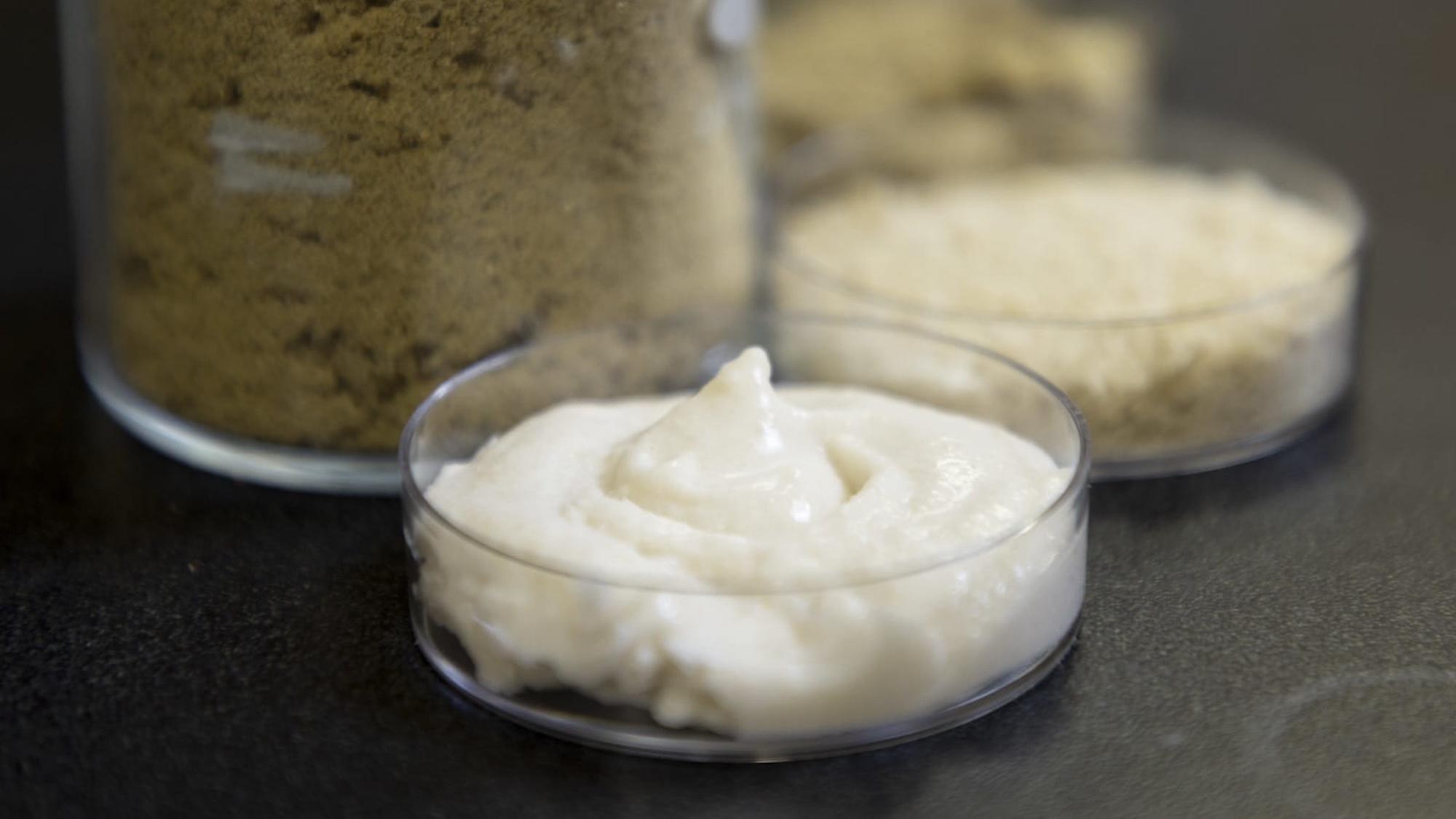
To gain a more complete picture Rahman and Galib chemically extracted and analyzed the various rice proteins from brown rice, kernels, and rice bran. They determined that rice proteins are made of four general molecular components: albumin, globulin, glutelin, and prolamin. From there, they were able to combine the proteins with coconut oil and corn starch for three variations on a standard vegan cheese recipe. But unlike existing nondairy cheeses, these contained around 12 percent protein.
There are even more possibilities for the new ingredients. The team believes that rice proteins could replace certain oils and eggs, while the extraction process itself may become more eco-friendly. Although their experiments required the use of hexane—a common compound used in seed oil extraction, degreasers, and other solvents—Rahman is currently looking into a way to accomplish the same goals with ultrasound waves.
The post Rice cheese may be the next big thing appeared first on Popular Science.