Volunteers finally find Betty White—the rescue tortoise
Popular Science...
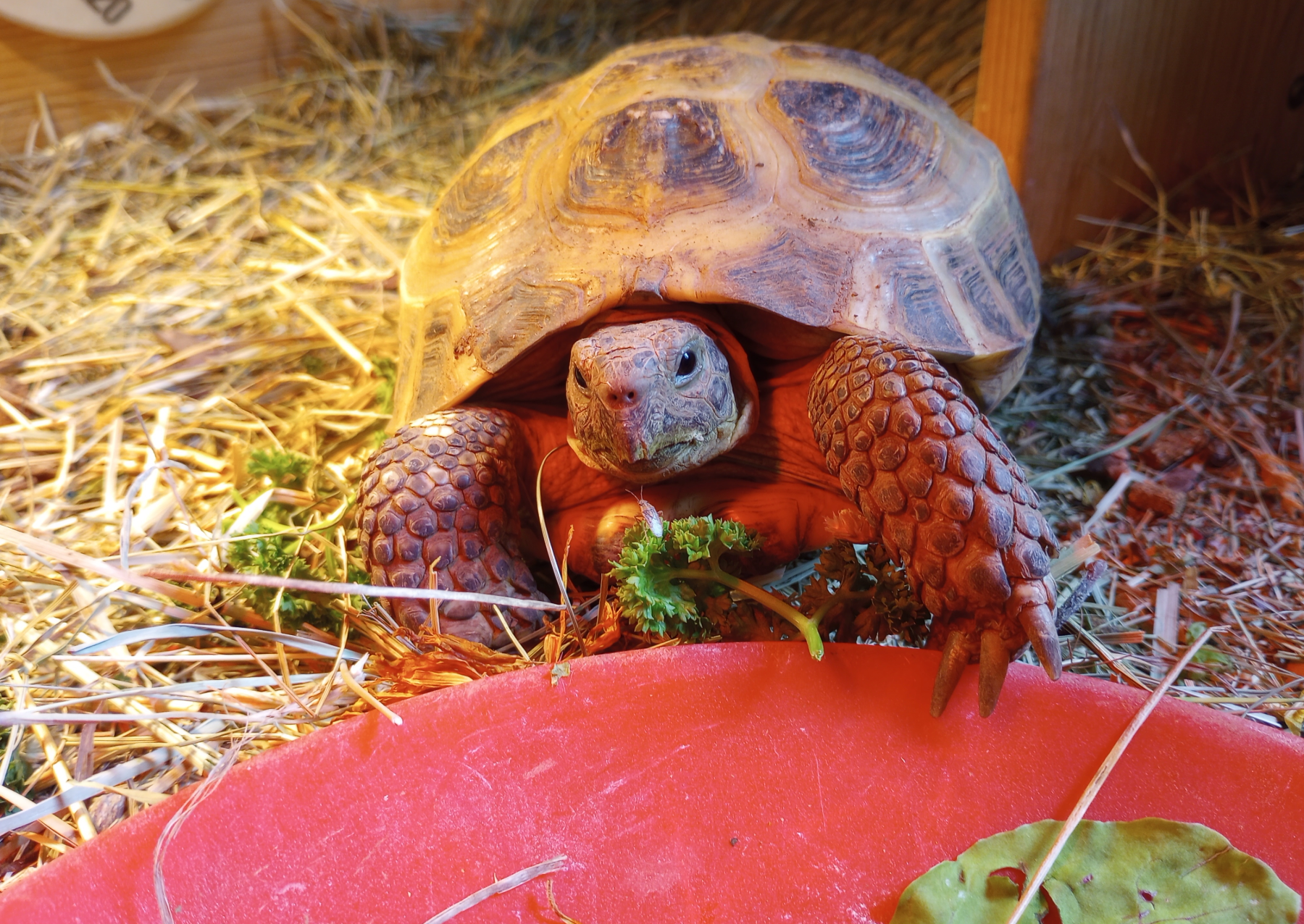
Betty White spent the winter hiding from the authorities. The roughly 20-year-old female Russian tortoise (Testudo horsfieldii) named after the iconic actress is one of Oregon’s Badger Run Wildlife Rehab resident reptiles. She went missing this past fall, only to be found months later underneath her enclosure by a volunteer named Rose.
Russian tortoises like Betty White are found throughout Central Asia, including in Uzbekistan, Kazakhstan, Turkmenistan, Afghanistan, Iran, and China. After the fall of the Soviet Union, they became a popular export for former Soviet states.
“Almost all of the Russian tortoises in the pet trade are wild-caught and this has taken a toll on their species in their native territories along with habitat loss,” Laura Hale, a biologist and the president of Badger Run Wildlife Rehab, tells Popular Science. “They are considered endangered or threatened in much of their range.”

In December 2023, Betty White and a male Russian tortoise named Smudge were rescued after her owner had died. Both were brought to Badger Run Wildlife Rehab in Klamath Falls, Oregon, where they teach the public about turtles, tortoises, and the dangers of the exotic pet trade. Trafficking wild animals takes them out of their natural habitats and owning exotic pets also pose health risks for human handlers and the animals—Betty White included. Her name comes from the white lines on her shell due to improper growth between the individual sections of the shell. These lines are due to a poor diet and the incorrect humidity she was originally kept in.
Betty White and Smudge now spend their spring, summer, and fall together in a large outdoor enclosure with deep soil for burrowing. In the winter they are moved indoors to a warmer enclosure with UVB lamps.
“Since Betty White and Smudge have ‘day jobs’ as education animals we do not let them brumate (hibernate) during cold weather,” Hale says. “They are moved indoors where they stay active throughout the cold months.”
According to Hale, many reptile experts advise against letting captive animals like Betty White and Smudge brumate unless caretakers can ensure absolute silence without any disturbances for the animals’ wellbeing.
“Every time a hibernating animal is awakened, it raises their metabolism again which burns precious calories,” Hale explains. “If that happens too often, they won’t have enough calories stored to survive until spring.”
Related Reptile Story
This past fall, the Badger Run team prepared to move the pair into their winter lodgings. Smudge, who is more of a “people tortoise,” made sure to come out for shell rubs and scratches. But Ms. White had other plans. She burrowed a few feet beneath the heavy and insulated house underneath their 16 by eight foot rectangular enclosure.
“The bottom of the enclosure has a heavy wire mesh floor to prevent a tortoise from completely tunneling out and escaping,” says Hale. “So, we knew she was in there somewhere.”
Betty White spent the winter snugly tucked into her burrow, while the team patiently scanned the area for signs of tortoise life. When a spell of unusually warm weather returned earlier this month, Betty White came out to sun herself and was picked up by volunteers on Saturday March 21.
She was cleaned up and fed greens, dried flowers, a calcium supplement, in addition to access to water, heat, and UVB lamps. “Betty White was none too pleased with having her shell rinsed of caked mud upon return from her winter brumation adventure,” Hale explains.
Betty White will remain back indoors with Smudge until more steady warm temperatures return to southern Oregon.
“Smudge was very happy to see Betty White return,” says Hale. “He spent the first day following her around their indoor enclosure.”
The post Volunteers finally find Betty White—the rescue tortoise appeared first on Popular Science.