Weed that smells like paint thinner takes over Arizona
Popular Science...
Invasive plants can be just as destructive as animals—and often fly more under the radar until it’s too late. In parts of Arizona, stinknet (Oncosiphon piluliferum) really stinks. The noxious yellow weed gives off more than just an offensive smell; it’s also destroying native wildflowers critical to the ecosystem.

What is stinknet?
Stinknet is an invasive annual weed. It grows during the winter and can then crowd out native plants and become a fire hazard during the summer. According to The University of Arizona, it is spreading in Maricopa, Pinal, and Pima counties. It is also spreading in Nevada, California, Mexico, and Australia. It can grow in a wide variety of habitats, including yards, desert riparian areas, urban sidewalk cracks, and in disturbed or undisturbed soil.
It is still not entirely clear when and how it got to Arizona. The Arizona Native Plant Society believes that it was through soil or on a vehicle coming in from California, where the weed was first spotted in 1981. Introduced weeds like stinknet can go unnoticed until they are established and form populations. By then, it is often too late.
What does stinknet look like?
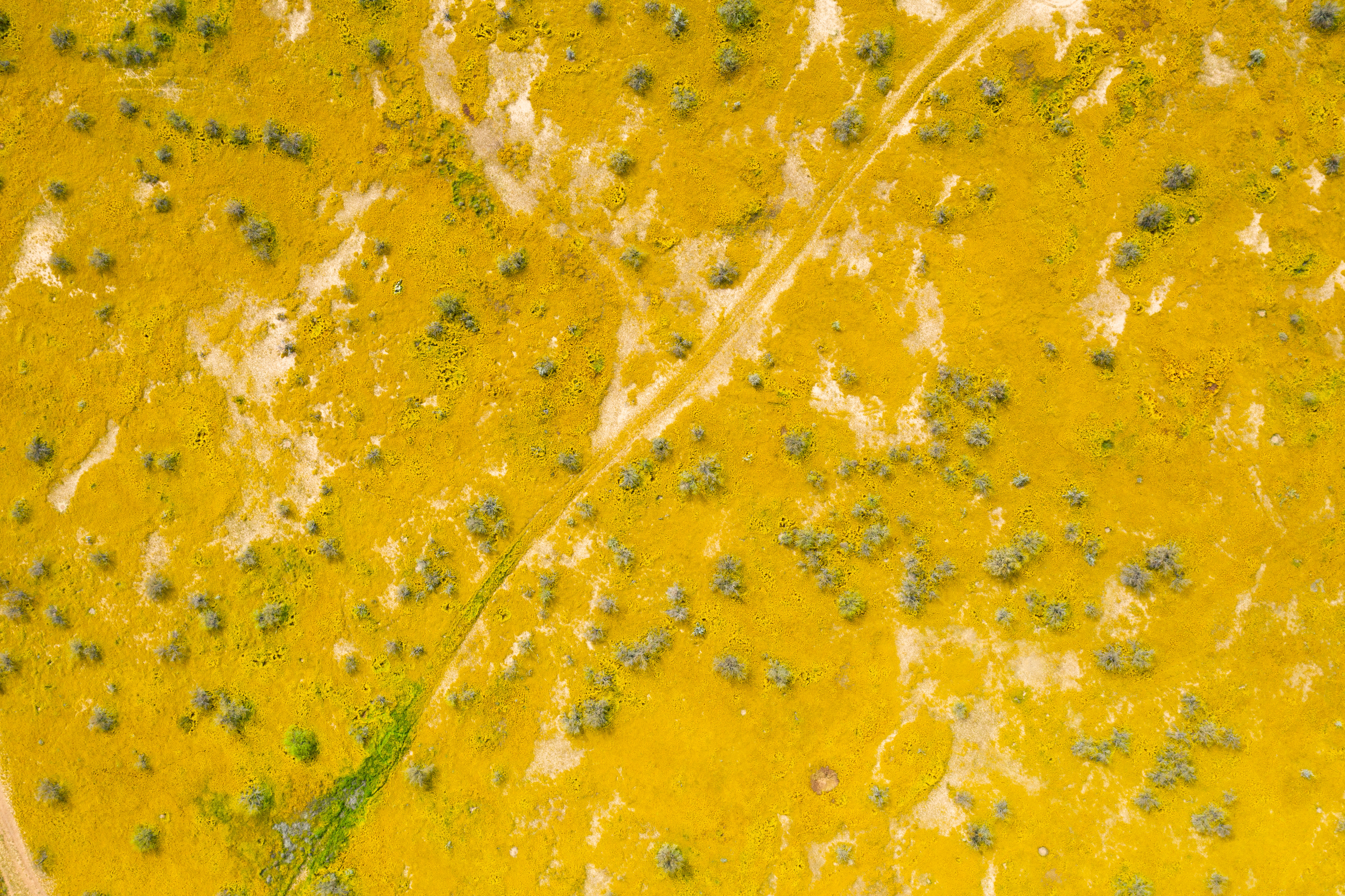
It is known for a golden yellow color. To the untrained eye, it can look like it belongs in a field of wildflowers. It has spherical, yellow flowers and dark green, carrot-like leaves. When it is allowed to grow unchecked, it will suck up all of the resources from native plants in the area and outgrow them. It can shed thousands of seeds, that can live in soil for up to five years.
What does stinknet smell like?
The short answer—really bad. Its odor is described as pungent and like turpentine. The smell is especially pronounced when its leaves are crushed.
“The smell is so overwhelming it can give you a headache,” Brian Shomo, director of Natural Resources with the Riverside County Habitat Conservation Agency, told the U.S. Fish and Wildlife Service.
While the smell is not pleasant, that’s not what makes stinknet dangerous. It is highly flammable and can fuel wildfires. Coming into contact with it can also cause rashes and respiratory problems—as can the smoke when it burns during fires.
How to manage stinknet
If you see stinknet, take a picture and report it to stinknet.org. You can also consult their map to see where it has been reported.
After hiking near a stinknet, be sure to clean off footwear and clothing thoroughly to keep it from spreading. Also, do not let pets run through stinknet.
If it is in your yard, carefully dig up the weeds from the roots, while wearing gloves, long sleeves, and other protective clothing. Bag all of the planet material and discard it safely. Some herbicides, including glyphosate and pre-emergent herbicides, are also effective against it. As with any chemical, always follow the label’s instructions and wear proper protection.
The post Weed that smells like paint thinner takes over Arizona appeared first on Popular Science.