What the content creators vs journalists debate is really about
TheGrio...

After backlash at the growing number of influencers entering traditional media spaces, Tabitha Brown, Jemele Hill, and more weigh in.
Content creators and journalists are at war with one another again.
After influencer and comedian Jake Shane’s rambling, awkward interviews with high-profile celebrities at the Vanity Fair Oscars After Party on Sunday, March 15—following the 98th annual Academy Awards earlier that evening—many began calling out how increasingly it feels as though content creators are infiltrating traditional media spaces. The debate really began to heat up when Tabitha Brown entered to defend her fellow content creators.
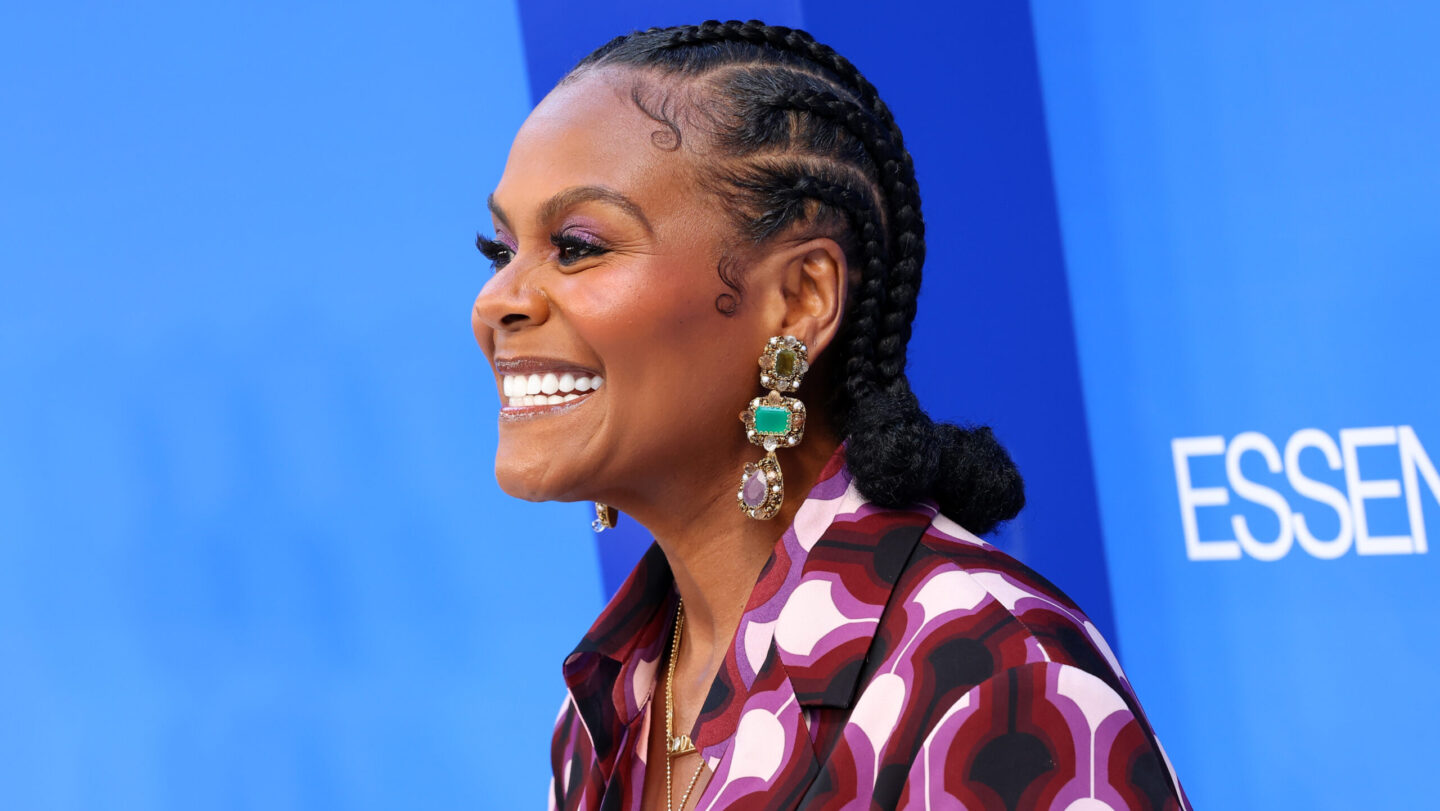
“Seeing people mad that content creators are on red carpets in elevated spaces is blowing my mind,” she began in a post on Threads on Tuesday. “Anybody can make content! Actors, stay-at-home parents, lawyers, entrepreneurs, employees, hairstylists, teachers, doctors, journalists, athletes, scholars, models, etc…. Just because they become successful doing content doesn’t mean they ‘just make videos, and it certainly doesn’t mean they don’t belong in elevated spaces!! Shout out to all my content creators who are shaking up the world! Keep Going!”
While this turned some of the backlash directly against her, it also drew nuanced, high-profile responses from both sides of the debate.
“I would never reduce what content creators do to ‘just make videos,’” Emmy-winning sports journalist Jemele Hill began in the comments. “So many are incredibly bright, creative and engaging. But if I may speak as a career journalist, there are a lot of Black entertainment journalists who are out of work or unable to get these red carpet opportunities simply because media outlets have opted for follower count over actual ability.”
Really, what this latest round of discourse exposes is how the content-creatorification of media has blurred the lines between journalism and entertainment at a moment when those distinctions matter more than ever.
“I love seeing doors in traditional media being opened to content creators! I wouldn’t have the career I’ve had if Larry Wilmore hadn’t taken a chance on me,” comedian Franchesca Ramesy wrote on Threads. “But lately I’ve seen too many influencers on red carpets who clearly aren’t prepared & unfortunately those are the clips that often go viral & perpetuate the idea that creators are undeserving. I think the outlets are doing themselves & creators a disservice by not making sure they’re ready to meet the moment.”
Journalists are frustrated because the ground is shifting beneath their feet. In the past year alone, thousands of media jobs have disappeared across the industry, including more than 17,000 jobs cut across entertainment and media companies in 2025 as consolidation and changing audience habits continue to reshape the business. The Washington Post, one of the most storied institutions in American journalism, laid off over 300 journalists in early February, about a third of its newsroom, amid financial losses topping $100 million.
For many reporters, especially those who studied in school, paid their dues through internships, and spent years building a byline while developing expertise, the frustration isn’t just about losing jobs; it’s about the erosion of clarity around what journalism actually is. Journalism is supposed to serve the public. It is supposed to verify, contextualize, and challenge power, even when doing so risks many of the things content creation rewards. It is the first draft for history. Content creation, by contrast, reflects culture, markets it, entertains, and can be focused on promoting a personal brand. Both have value, but they are not interchangeable.
At the same time, creators are pushing back because they are not all created equal. Literally. Not every creator is just some amateur with a ring light. Many, particularly Black creators, have the entertainment and reporting chops and studied media in school, only to enter an industry with dwindling entry points. So they’ve had to start on their own.
“I went from creating food personality content to hosting a TV food cooking competition that garnered a regional Emmy nomination after its first season,” Baltimore-based food influencer Tim Chin, who creates online as The Baltimore Foodie, wrote under Brown’s comments. “Some of our stories getting to our dreams may be unconventional to some, but this is our way, it’s a new social tech world….And this is a NEW WAY. Trailblazers blaze on.”
The industry is also increasingly validating this route. New creator pipelines, including the recently announced TikTok and Tubi incubator to develop creator-driven scripted and unscripted programming for the streaming platform, show how platforms see independent creators as part of the future of media. Meanwhile, audiences themselves also continue to reward creators with attention, loyalty, and engagement that traditional outlets often struggle to maintain.
Which is why the real issue isn’t that creators are getting opportunities. What did Michelle Obama recently say? Something about a confusion of standards? The real issue is standards or the loss of them.
“The ‘people are just hating on opportunities’ narrative is easy, and it’s lazy,” La’Janeé a.k.a. The Docket Diva wrote in response on Threads. “What’s actually happening is that journalism (real journalism) requires training, credentials, ethics, and accountability. Content creation does not. Conflating the two doesn’t uplift creators. It diminishes a craft that exists to protect and inform the public. You can celebrate creators without pretending the standards don’t matter. They do. Quite frankly, many of them are not meeting them.”
Traditional media platforms chasing relevance in an attention economy have to be honest with themselves about their role in lowering the bar. When legacy outlets hand major cultural moments to personalities who may not yet have the reporting discipline to handle them, they contribute to the blurring of the lines.
Consumers are part of this equation as well. What audiences choose to reward with their attention ultimately shapes what survives. When personality and speed consistently outweigh quality and expertise, the long-term risk is weaker journalism. There is, of course, as Tracee Ellis Ross once said, enough room under the sun for everyone. Journalists and creators can coexist in the media ecosystem. But coexistence only works if there are standards across the board about what it actually means to inform the public. Because the real danger, at a time when misinformation spreads faster than the speed of light, and public trust in institutions continues to erode, is the loss of the truth.