What to do with clothes you can’t donate
Popular Science...
Most of us know the best way to repurpose gently used clothing is to donate it. But what about undergarments or items that are a little too worn? Sadly, tons of clothing end up in landfills because they’re damaged, stained, or unsellable. According to the Environmental Protection Agency, discarded clothing makes up the largest share of textiles in municipal solid waste. Is there an easy way to dispose of clothing sustainably? There isn’t an easy answer, but there are better options. Even clothes that seem destined for the trash still have value; you just need to know where to send them.
Why some clothes can’t de donated
Most donation centers resell items for a profit or give them to those in need. They are not recycling centers. Donation centers will reject or discard any clothing that has stains, odor, damage, or, in some cases, is outdated. As a result, not everything you drop off will find a second life through donation. So, what should be done with items that don’t make the cut?
Repair
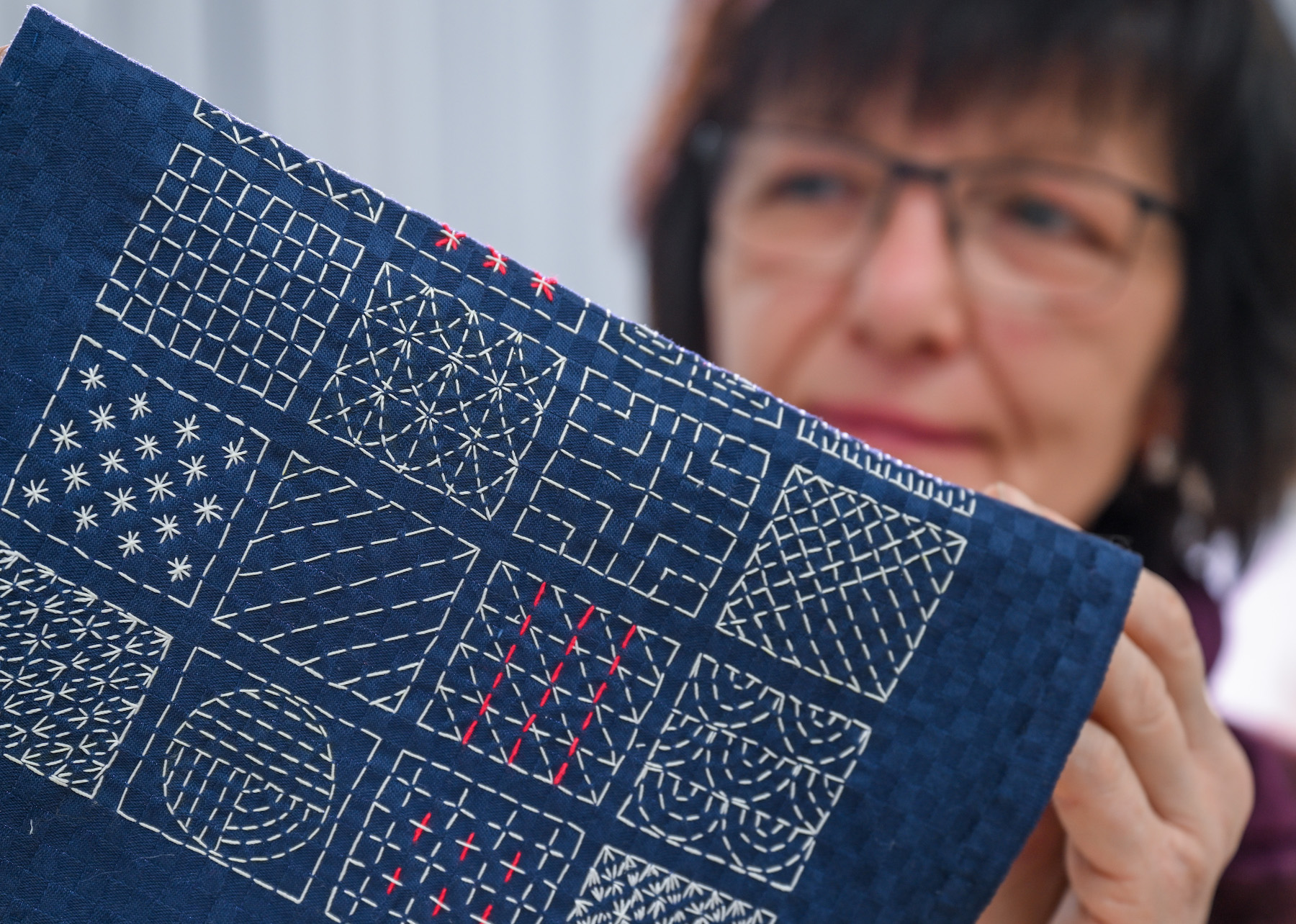
Before discarding worn clothing, consider repairing it to extend its lifespan. There are many ways to repair clothing: You can patch small holes, replace missing buttons or broken zippers, or use fabric dye to refresh items with stains or fading. These efforts can make clothes wearable again without much cost or effort. Repairing even one item reduces the demand for new clothing production, which in turn lowers resource use and environmental impact. In many cases, fixing what you already own is the most sustainable choice. There are decorative methods, such as sashiko stitching, a type of visible mending, that transform repairs into wearable art. This DIY is easy, and kits are available to make the process even easier.

Upcycle
One practical and immediate way to use old clothes is to transform them into household cleaning supplies. This idea is similar to the Japanese zokin—simple, reusable cleaning cloths traditionally made from worn fabric and used for everyday cleaning. Clothes made from natural materials, such as cotton and denim, can be repurposed as useful cleaning tools.
Old cotton T-shirts and towels can be cut into durable cleaning rags, while softer fabrics work well as dusting cloths or even DIY mop pads. Heavier materials can be repurposed into garage or shop rags for oil or paint projects. Even worn textiles can serve in pet care, such as bedding or towels for muddy paws. Natural fibers like cotton and linen offer the best absorbency, while synthetic blends are less effective for these uses and are better suited for other solutions.
Recycling programs
When clothing is too worn to donate or reuse, textile recycling programs are the best option. These systems break down old fabrics into raw fibers, which are then repurposed into products like insulation, industrial wiping cloths, or carpet padding.
To get started, always check locally first. Many municipalities offer textile recycling programs or designated drop-off locations. Some retailers also run take-back initiatives; for example, REI and Patagonia accept used gear and clothing, and some Nike stores accept used sneakers. Your local animal shelter may accept clean, gently used blankets, sheets, and towels. Mail-in services like Retold Recycling and Trashie are also options, though they typically require purchasing a bag and may include shipping costs. Even heavily worn clothing is often accepted, making recycling a reliable option for those items that are truly not reusable.
When throwing away is the only option
In some cases, disposal is unavoidable. For example, clothing that is heavily contaminated, such as items exposed to chemicals, mold, or hazardous substances, cannot be safely donated or recycled. In these situations, the landfill becomes the last resort. Shifting how we think about disposal can make a measurable difference. Even the smallest changes help reduce textile waste over time.
The post What to do with clothes you can’t donate appeared first on Popular Science.