What’s Kanye West really getting at with that MLK line on “Bully”
TheGrio...

Kanye West’s latest album “Bully” arrived over the weekend, raising eyebrows with a familiar provocative bravado.
Kanye West is thanking Martin Luther King Jr. for the ability to marry his wife.
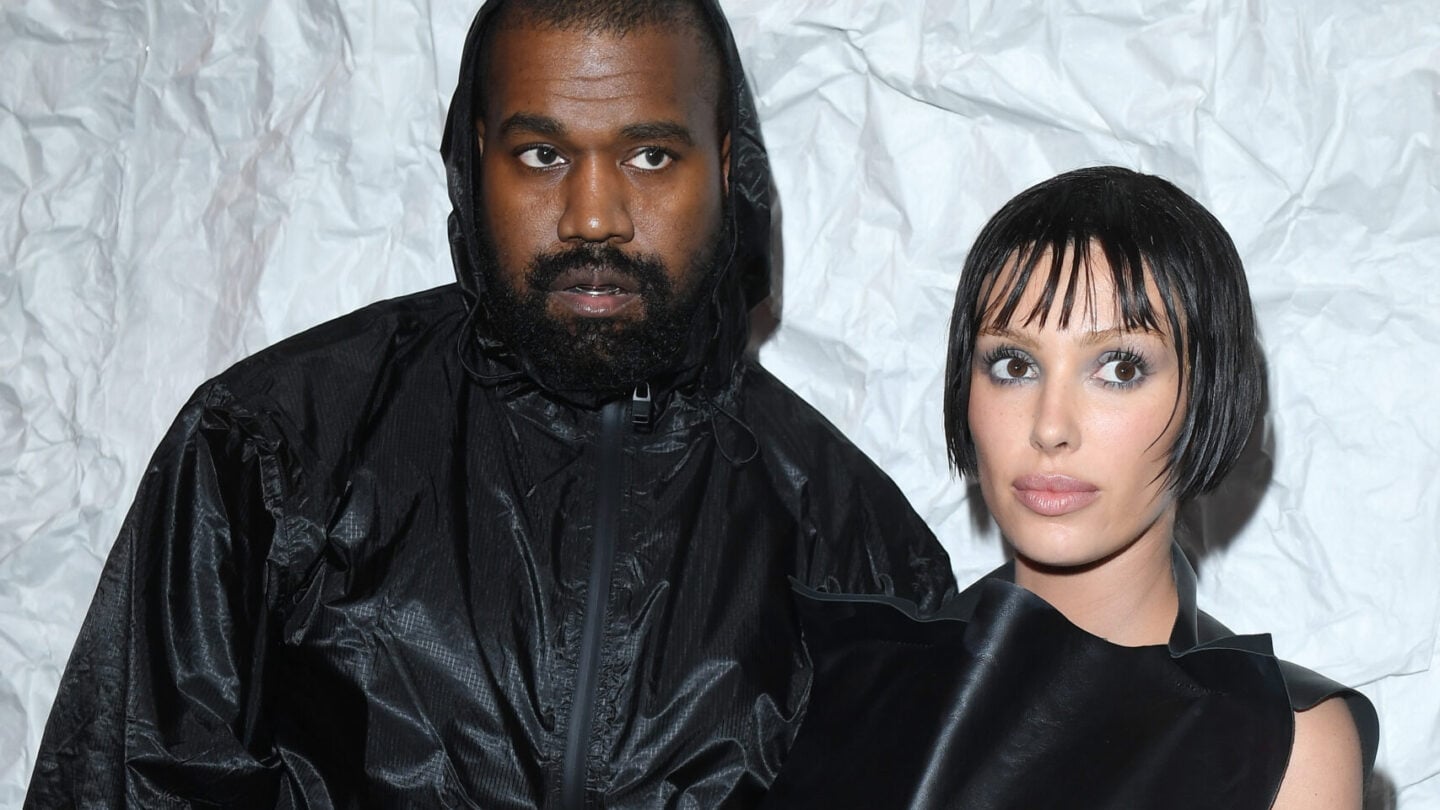
The 48-year-old rapper kicked off his latest album, “Bully,” released on Saturday, March 28, with a track entitled “King” in which he muses over his legacy, fame, marriage to Bianca Censori, and praises the late Civil Rights icon, among other things.
“I brought a white queen to the altar // Couldn’t happen without Martin Luther,” he raps on the song.
However, before that, he explains, “Some of my loved ones turned to lost ones // the pain was blurring my thoughts up.”
The song, which lasts just barely over two minutes and is one of 18 on the new album, grapples with how his legacy has shifted in the public view in recent years amid public controversy, his high-profile battle with mental illness, and his penchant for provocation. It’s mildly self-reflective and offers an explanation for the chaos.
He is stating how he was struggling with his mental health and the grief of losing close connections before he brings up his wife, which, when heard or read together, it all feels less braggadocious more than him simply being honest.
When West married Censori, a former Yeezy designer, in December 2022, only weeks after finalizing his divorce from Kim Kardashian (whom he shares four children), it happened amid a peak era of controversy for the rapper that ultimately led to the collapse of his multi-million dollar empire and a bizarre turn into radical politics.
While King’s civil-rights work helped create the broader climate of racial equality that made decisions like Loving v. Virginia possible, he was not directly involved in the case or the Supreme Court’s 1967 ruling that legalized interracial marriage nationwide. The MLK name drop could just be there because it thematically flows, frankly, and he also has a legacy that gets reevaluated (including his rumored romantic life).
The song is also interrogating what it means to be king, whether you earned the crown or shoved it on your head all on your own. Not unlike the song of the same title, with which he closes his last album “Vultures 1.” In that song, he very clearly is declaring he’s king, essentially, despite what anyone else thinks.
It looks like on “Bully,” we’re hearing from the “King” in the aftermath and learning just how that all went for him. Not well, it would seem.