While some college coaches have adapted to new era, others are still stuck in the past
NCAAF College Football News, Photos, Stats, Scores, Schedule & Videos...
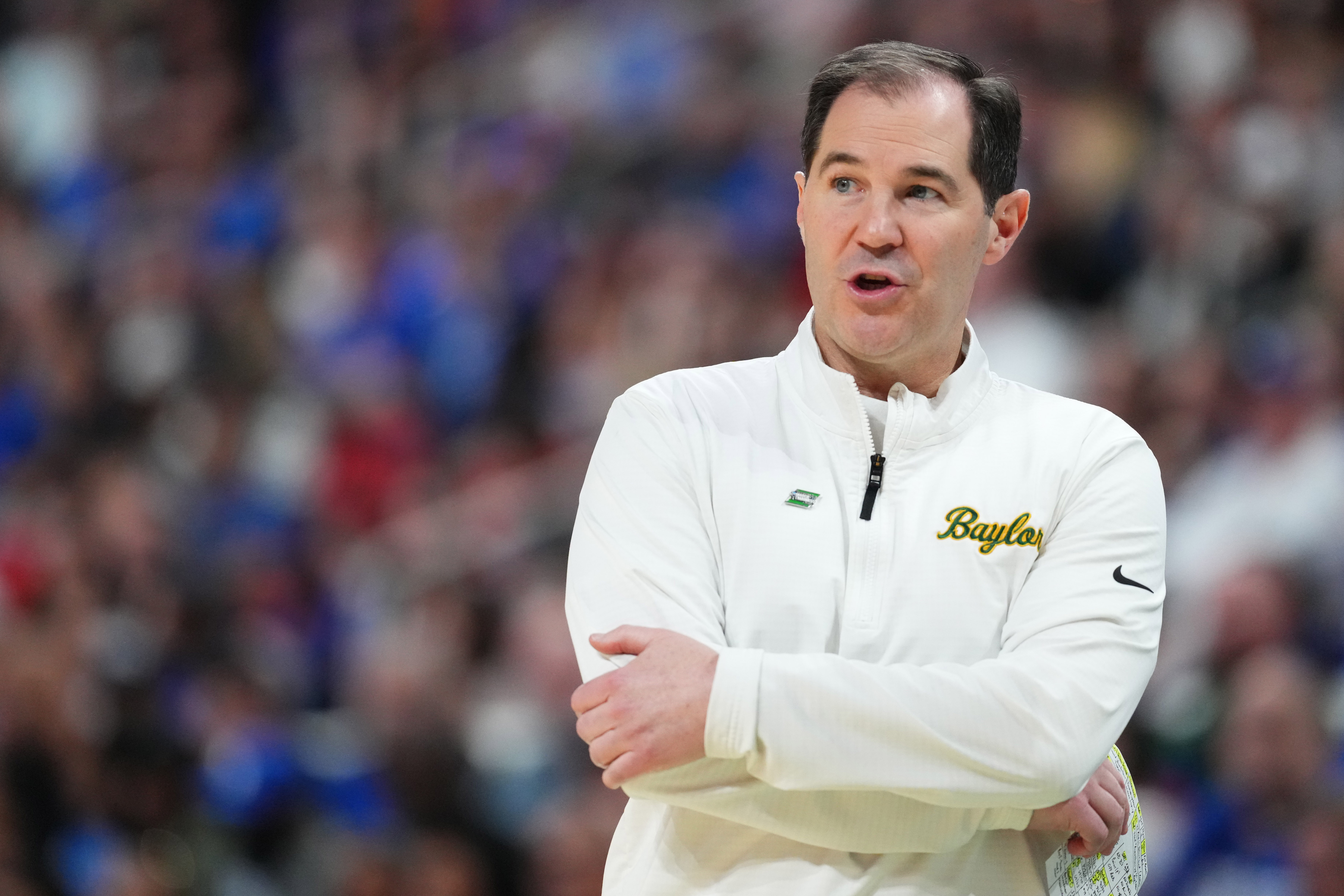
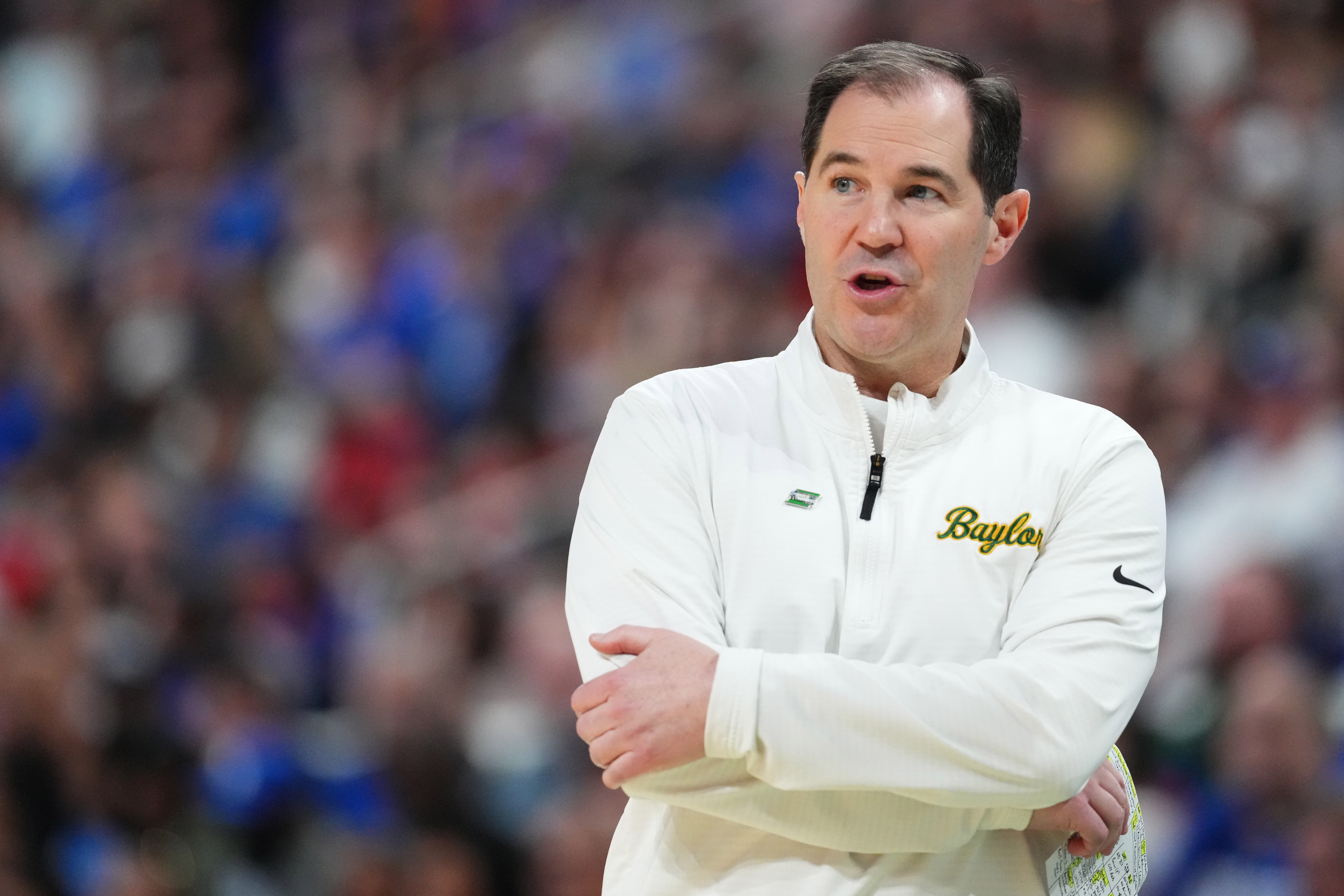
Scott Drew and Dabo Swinney coach different sports, but in many ways they share a similar career arc. Both doubted and dismissed early in their tenures and both deeply rooted in Christianity as a prominent part of their coaching brand, they pushed their programs uphill against the impossible, finally breaking through for national titles that cemented their status among the best in their era.
Drew and Swinney have also seen the halos around their programs wear off a bit in the name, image and likeness era, even as their employers have rewarded past success with massive contractual investments in their head coaches.
Baylor, a small, private school in Waco without a massive donor base, has stalled out four straight years in the NCAA tournament’s second round since winning the title in 2021. Clemson, more of a boutique regional power without the national reach of most football blue bloods, was clearly the country’s second-best program between 2015 and 2020 but hasn’t finished a season in the top 10 since.
But over the weekend, Drew and Swinney found themselves on opposite ends of a spectrum that illustrates just how complicated times have become in college sports.
With Baylor basketball 9-2 but unranked as it begins conference play this weekend, Drew crossed a threshold by signing center James Nnaji, a former No. 31 overall NBA Draft pick who has been playing professionally in Europe for the last few years. Thanks to the NCAA’s stunningly permissive stance on eligibility issues this year, he’ll be playing right away.
“Most coaches are 99 percent aligned on things we’d like to see done with our game,” Drew told reporters. “At the same time, from my knowledge, until we get to collective bargaining I don’t think we can come up with rules that are agreeable and enforceable. And until that, I think all of us gotta be ready to adjust and adapt to what’s out there … we don’t make the rules, and as we find out about things we’re always going to adapt to put our program in the best position to be successful because that’s what we get paid to do.”
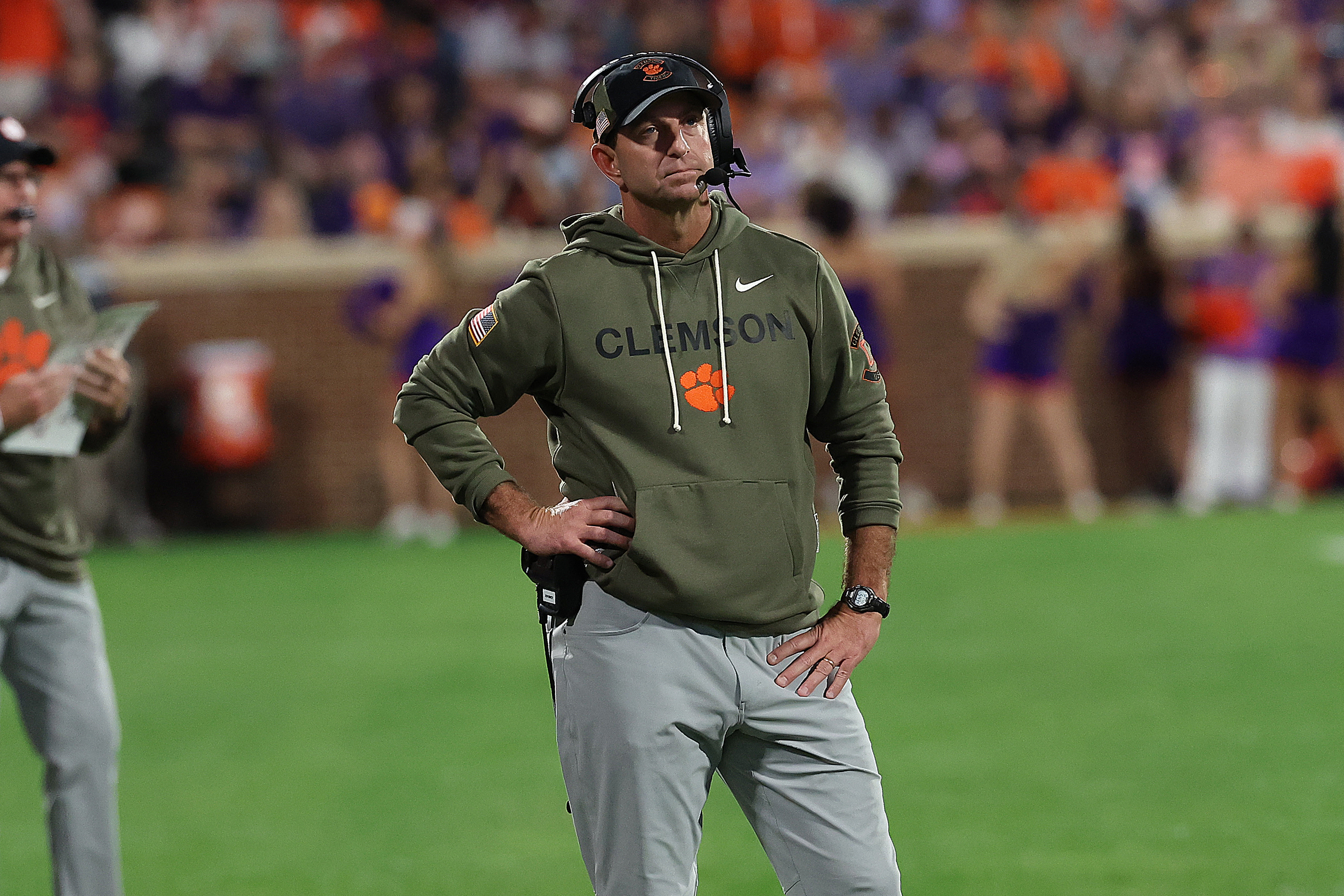
Meanwhile, after Clemson finished its season with a lifeless 22-10 loss to Penn State in the Pinstripe Bowl to finish 7-6, Swinney’s response to being one of the most disappointing teams in the country took on a far different tone.
The subject of significant criticism among Clemson fans and the media over the last few years for his unwillingness to embrace transfer portal culture and unyielding loyalty to players and coaches who were developed in the Clemson system, Swinney was lobbed a softball about how much he pours into his players as men and not just people who can help him win games.
“That’s my calling in life,” Swinney said. “That’s my purpose. I know everybody wants me to win football games, but it’s more about how I win. That’s what matters to me more than anything. Always has. It’s never been anything different, never will be. That’s my purpose in life: Glorify God, be a great husband and father, and use this platform of football and education to build great men through this game I love.”
It's a fascinating contrast. Both in their mid-50s, Drew and Swinney should be at a point where what’s on their résumé allows their programs to be on cruise control to a certain extent. Instead, they have essentially had to relearn how to do their jobs under a completely different set of rules than what governed college sports at the peak of their powers.
Swinney said very plainly that he cares more about winning what he perceives to be right way than whatever unsavory compromises he might have to make to keep his program relevant. Drew has acknowledged that he’s choosing a different path, one rooted in the reality of a system where the rules as we knew them no longer exist and that his responsibility lies primarily in serving the fans and an administration that pays him an exorbitant salary to put an entertainment product on the floor.
Even if you believe Swinney has the more ethical argument, there is little doubt about which coach is putting himself in a better position to succeed as they reach the back end of their careers. Just ask yourself: What’s the purpose of this whole thing? Living up to an imaginary standard that no longer has much relevance in college sports, or acknowledging that the scoreboard is the ultimate judge of who’s wrong or right so long as everyone is staying within the rules?
Swinney may have gotten into the coaching profession because he wanted to help boys become men, but he would do well to remember it’s not the reason he’s the head coach at Clemson making $11 million per year. If he cannot do what’s necessary to win championships, he should turn in his keys and find a nice D-II program to coach where he can be a life-changer without having to adapt to the rules of a de facto professional sport.
Interestingly, though, it’s Drew who has taken on far more criticism, including from within his own profession.
Even Michigan State’s Tom Izzo, someone Drew has a friendly relationship with, questioned the decision to recruit Nnaji during a news conference Saturday.
“I’m a little surprised,” Izzo said. “I have a call into Scott. I’m anxious to see what he tells me. I’m not saying we’re holier than thou or anybody should not do this or that, but if we’re dipping into that one, if it’s like I’m hearing and now we’re taking guys that were drafted in the NBA and everything, come on Magic [Johnson] and Gary [Harris], let’s go baby. Let’s do it. Why not? I mean if that’s what we’re going through, shame on the NCAA. Shame on the coaches, too, but shame on the NCAA. But coaches are going to do what they’ve got to do, I guess.”
Privately, a few coaches have been even more critical of Drew in conversations with Yahoo Sports. They see the decision to enroll a full-fledged professional basketball player who was nearly a first-round NBA Draft pick as an existential threat to the sport that should be off limits no matter how lax the rules get because NCAA officials fear being taken to court. Just because you can doesn’t mean that you should.
But the battle for the soul of college sports, such as it is, has long since been decided. Swinney’s worldview lost. We can debate the reasons why and pine for Congress to come in and fix everything with laws that turn the clock back 15 years to a time when the big debate was whether colleges should pay for a few thousand dollars in “cost of attendance” stipends for athletes.
It's not going to happen. Through the NCAA’s own arrogance and legal incompetence, amateurism was put on trial — both literally and figuratively — and lost. Trying to cling to it only leads to a fan base like Clemson’s now being up in arms over a steady half-decade decline and desperately hoping their two-time national championship coach either wakes up to reality or moves on before he does enough damage that the school is forced to fire him.
Drew, meanwhile, gave his fan base hope last week. Though the details may not matter to some, the reality is that Baylor’s plans for this season were built around Robert Wright playing point guard after a spectacular freshman year and Juslin Bodo Bodo, a transfer from High Point, protecting the rim.
That team never materialized. Despite turning down other point guards because they believed Wright would be one of their best players, he left abruptly in April for BYU. Meanwhile, an arm injury Bodo Bodo suffered over the summer still hasn’t healed.
What was Drew supposed to do, just give up on this season? No. He found another way to add to the roster, allowed by the NCAA, that gives his current team the best chance of a successful season and gives the program’s stakeholders the best chance at a return on their investment.
That’s the job. Drew doesn’t work for the best interests of college basketball, and he certainly doesn’t work for Izzo. He works for Baylor, and there is no reason to feel guilty about doing everything within the rules to get back to championship glory.
Especially when the alternative is a program like Clemson with a coach in a downward spiral clinging to a delusion and forgetting that when he went into the athletic director’s office after those national titles to ask for massive raises, it wasn’t his passion for social development that made them say yes.
More at NCAAF College Football News, Photos, Stats, Scores, Schedule & Videos