Yes, your lobster dinner probably died an excruciating death
Popular Science...
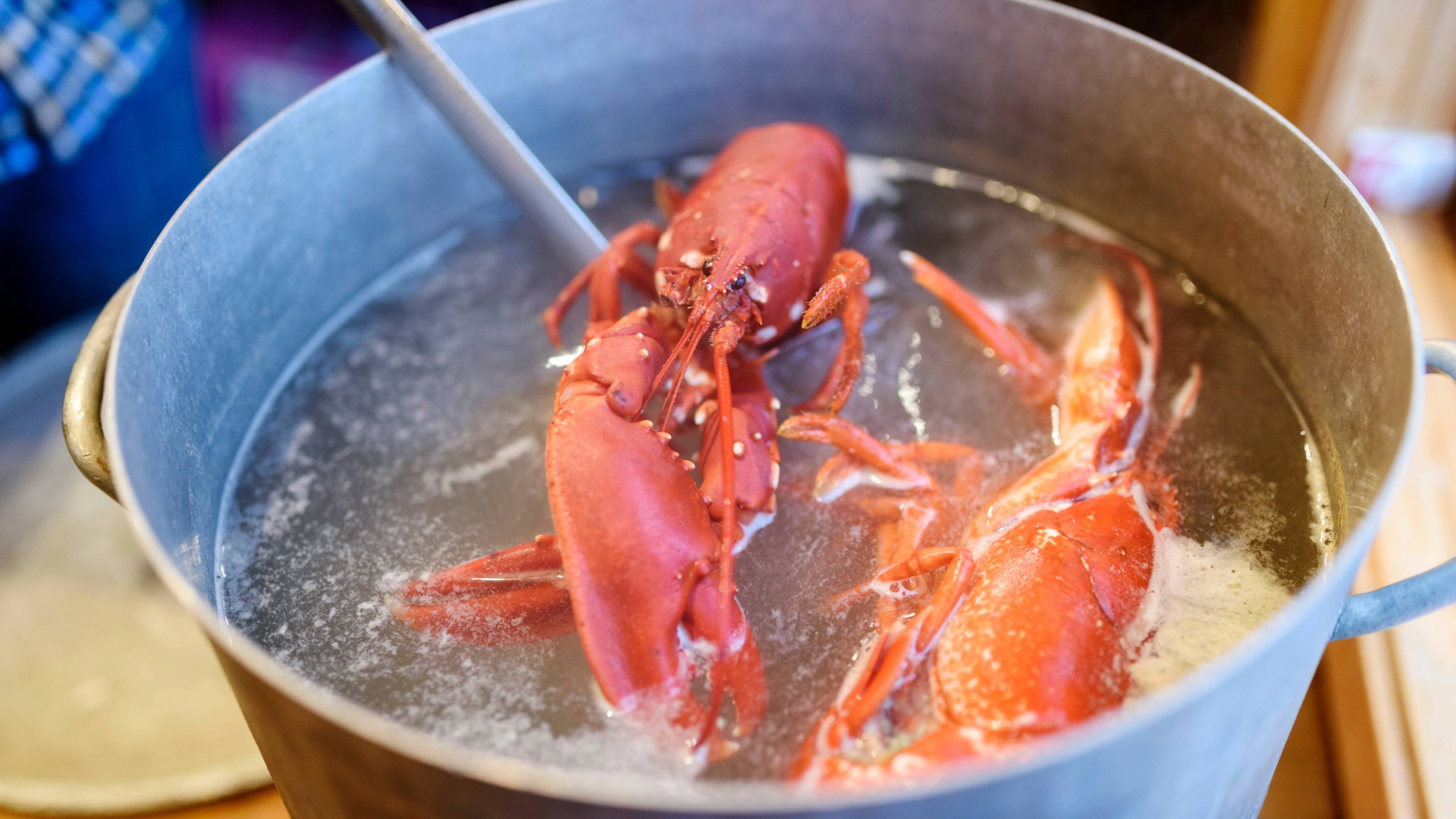
When it’s time to cook a lobster, the crustaceans are infamously boiled alive. While one can safely assume that such an end would be excruciating for a human, crustaceans’ capacity for feeling pain is a bit vague. The picture is slowly clarifying, however. And it’s not pretty.
Given that a growing number of countries have banned the boiling of live crustaceans, the fishing industry is looking into the possibility of stunning them with electric shocks, which could be extremely painful.
Within this context, a team of researchers in Norway investigated how humane this slaughter method really is—with troubling results. Simply put, the team studied Norway lobsters (Nephrops norvegicus) getting electrocuted in water. The animals tried to flee by flipping their tails quickly. However, lobsters on two different common painkillers flipped their tails less or not at all. This outcome suggests that the drugs relieve pain—which hints that they can feel pain in the first place.
“Humans tend to empathise or sympathise more with animals that share similarities with us such as facial expressions or vocalisation and we spend more time with these land-living animals and can relate to them better,” Lynne U. Sneddon, a professor of zoophysiology at the University of Gothenburg and co-author of the study recently published in the journal Scientific Reports, tells Popular Science. “Most people do not encounter crustaceans unless they eat them and so are unaware of how complex their behaviours are. They do not vocalise and do not have facial expressions and further they have hard exoskeleton so generally crustaceans are thought of as lacking sensitivity to pain stimuli.”
In the study, the team injected the crustaceans with the two common painkillers: aspirin and lidocaine. After the injection, the lobsters displayed a sign of stress—grooming their legs and claws. But when the electric shock was executed, the tail flipping decreased. As for the lidocaine, the team dissolved it in the water. It also prevented tail flipping, and had relatively few side effects.
“The scientific evidence shows that crabs have nociceptors, receptors that only respond to injury causing events, and their central nervous system (brain) is active during application of [a] potentially painful stimulus and differs from non-painful stimuli,” Sneddon explains. “We also know that there are profound behavioural changes when decapod crustaceans are exposed to pain-causing stimuli and now our laboratory has shown these are prevented by the use of pain-relieving drugs. All of these studies suggest the likelihood of pain in crustaceans.”
Decapod crustaceans include lobsters, crabs, and shrimp, among others. While humans shouldn’t eat lobsters treated with pain killers, they can be used to lessen their pain in laboratory settings. And as for our fancy dinners, more research is necessary to make the process as humane as possible. More broadly, the study highlights the need to identify more gentle methods of slaughter.
“My hope is that this study will help to inform the treatment of decapod crustaceans in aquaculture, fisheries and in science so we can consider how to improve the way they are treated,” Sneddon concludes.
The post Yes, your lobster dinner probably died an excruciating death appeared first on Popular Science.